
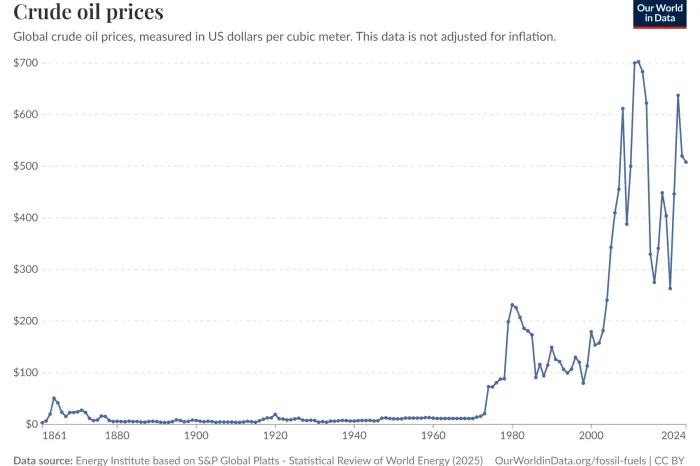
Global oil prices climbed back above $100 per barrel following fresh US military strikes on Iran, signaling renewed volatility in energy markets already strained by geopolitical tensions. The attacks targeted missile launch sites and vessels involved in mine-laying operations, undermining hopes for a swift resolution to the ongoing conflict in the Middle East. These developments have intensified concerns over the continued closure of the Strait of Hormuz, a critical maritime route through which approximately 20 million barrels of oil are transported daily prior to the crisis.
In recent weeks, oil prices had softened slightly amid market optimism about potential diplomatic breakthroughs between the US and Iran. However, the recent escalation has erased those gains, pushing Brent crude prices past the key psychological threshold. Analysts warn that despite efforts to reach a peace deal, disruptions to Gulf oil exports have already depleted global inventories to critically low levels. Emergency stockpiles have been drawn down significantly to offset supply shortfalls, but these reserves are expected to be exhausted soon, adding pressure on the market.
Experts from HFI Research have indicated that the global energy market may have passed a “point of no return,” with supply deficits likely to worsen as demand increases during the summer travel season. The International Energy Agency has also cautioned that July and August could see consumption outpace production, potentially triggering emergency responses worldwide. Meanwhile, major oil producers such as Saudi Aramco have warned that if the Strait of Hormuz remains closed for several more weeks, challenges in oil supply could persist well into next year.
US officials maintain that their strikes were acts of self-defense amid ongoing cease-fire conditions, but Iranian authorities have responded with stern warnings and threats of retaliation. The Revolutionary Guards Corps emphasized their right to respond to violations of the cease-fire, and Iran’s Supreme Leader issued statements underscoring a refusal to allow continued American military presence in the region. These tensions complicate ongoing negotiations reportedly taking place in Qatar aimed at ending hostilities, with key issues such as nuclear enrichment and management of the strait remaining unresolved.
The blockade’s impact extends beyond crude oil markets, affecting natural gas reserves in Europe as well. Storage levels are significantly below average for this time of year, and injections into reserves are lagging due to subdued market pricing despite tight supplies. This situation is expected to increase price volatility as demand for energy rises toward the end of summer.
Consumers are already feeling the effects at fuel pumps, with prices reaching record highs since the conflict began. In the UK, petrol prices have surged by more than 26 pence per litre since late February, and energy cost caps are projected to rise substantially due to higher gas prices linked to the Hormuz disruption. As geopolitical tensions persist without clear resolution, experts warn that oil markets will remain fragile, with sustained price volatility likely until a stable agreement is reached and normal shipping flows resume.