
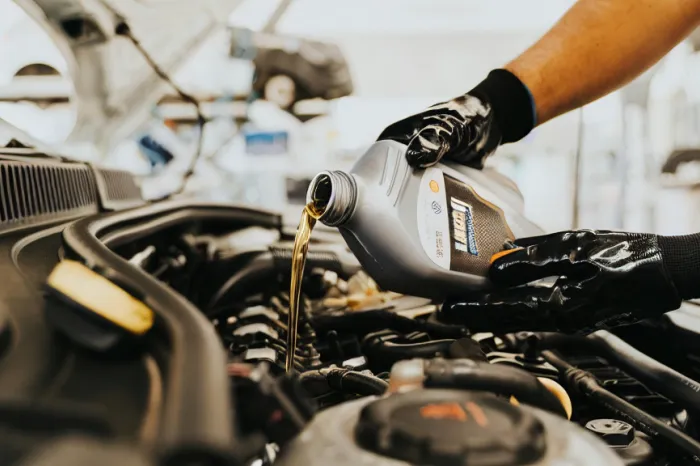
Consumers across the country are facing increased financial strain as rising oil prices push up expenses not only at gas stations but also for vehicle upkeep. One notable impact is the steep rise in motor oil prices, which has affected service centers and car owners alike. Marc Duebber, a certified mechanic and owner of Duebber’s Automotive in Cincinnati, has witnessed wholesale motor oil costs surge sharply this spring. Synthetic oil prices alone have climbed by as much as 150%, creating significant challenges for both mechanics and their customers.
Supply Chain Pressures on Motor Oil
The supply of motor oil is tightening due to ongoing geopolitical tensions, particularly conflicts involving Iran and disruptions near the strategically critical Strait of Hormuz. These complications have forced suppliers to cut back on deliveries, leaving service providers like Duebber to adjust their pricing frequently in response to fluctuating wholesale costs. Duebber emphasizes transparency, telling customers that oil change prices reflect these market uncertainties.
Automakers and Retailers Respond to Shortages
Automakers are also feeling the effects of this shortage. Nissan, for example, has reportedly issued internal alerts to its service departments regarding declining motor oil inventories. While these notifications have not been broadly circulated, Nissan confirms it is actively monitoring the situation and working closely with suppliers to maintain adequate stock levels and ensure ongoing vehicle servicing.
On the retail side, companies such as Valvoline Inc., which operate thousands of oil change centers nationwide, assure customers that their current motor oil supply remains stable. Valvoline highlights its proactive inventory management strategies aimed at minimizing disruptions despite the volatile global market conditions.
Managing Rising Maintenance Costs
For vehicle owners looking to mitigate rising maintenance expenses, experts recommend several practical steps. These include taking advantage of coupons or loyalty programs, adhering strictly to manufacturer-recommended oil change intervals to avoid unnecessary services, and considering do-it-yourself oil changes if properly equipped and knowledgeable. However, mechanics strongly caution against skipping oil changes altogether due to the risk of severe engine damage.
While some larger chain providers may offer discounted oil changes as promotional incentives, independent shops like Duebber’s find it increasingly difficult to sustain low prices without incurring losses. This trend suggests that consumers should prepare for higher maintenance costs directly linked to escalating oil prices.
Industry experts also advise vehicle owners to schedule maintenance sooner rather than later to avoid potential price hikes if supply constraints worsen. With both fuel and motor oil costs rising simultaneously, motorists face a dual financial burden that could significantly impact household budgets in the months ahead.