
Recent drone attacks by Ukraine have significantly disrupted fuel supplies across multiple regions in Russia and the occupied territory of Crimea. These strikes have targeted key oil refineries and supply routes, causing gasoline shortages and raising concerns about a potential wider fuel crisis. Ukrainian drones have repeatedly hit major refineries, including facilities operated by Lukoil, damaging both primary and secondary processing units essential for gasoline and diesel production. Repairing these facilities is a lengthy process complicated by international sanctions that limit access to necessary equipment.
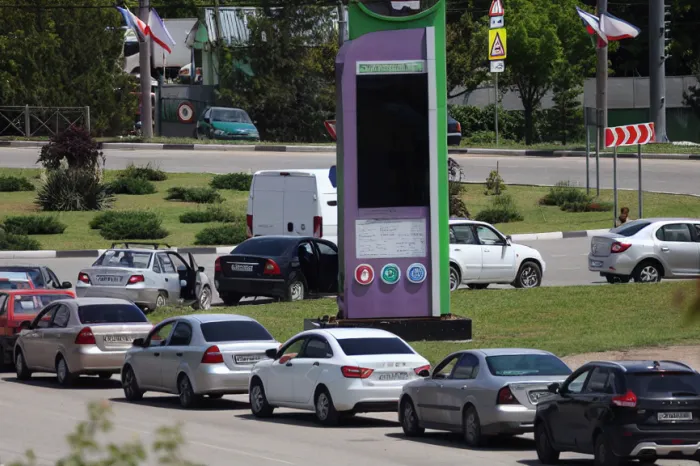
In Crimea, the situation is particularly severe due to drone strikes on transport infrastructure connecting the peninsula to mainland Russia. The so-called “Novorossiya Highway,” a critical supply route, has suffered damage, leading to what Ukrainian officials describe as a “logistical lockdown.” This has forced authorities in Crimea to impose strict fuel rationing measures, including limiting gasoline sales to private customers and distributing premium gasoline only through ration coupons. Lines at gas stations have grown long, and some stations in regions like Krasnodar have temporarily suspended fuel sales entirely.
Across Russia, fuel shortages are increasingly reported in over ten regions. While the overall number of stations affected remains relatively small compared to the total nationwide network, isolated shortages are appearing even in major cities such as Moscow and St. Petersburg. Social media users frequently report empty pumps, often attributing the scarcity to an influx of motorists from Crimea seeking fuel. The governor of Krasnodar region described the demand surge as “artificial,” linked directly to disruptions caused by ongoing drone attacks.
The cumulative impact of these attacks is reflected in official data showing a significant drop in petroleum product output. Russian statistics indicate a year-on-year decline of 9% in April and an estimated 13% reduction in May compared to the previous year. The Rosneft refinery in Tuapse has seen export volumes fall by 73%, resulting in substantial financial losses. Despite these setbacks, Russia continues to export unrefined oil where possible, helped by favorable global market conditions amid instability in other oil-producing regions.
Russian authorities have responded by establishing an industry task force aimed at stabilizing the fuel supply chain and preventing a full-scale crisis. Export bans on gasoline and kerosene have been implemented to conserve domestic stocks. Meanwhile, imports of gasoline from Belarus have increased to help offset shortages. Experts warn that if drone strikes continue at their current intensity without repairs restoring refinery capacity, the shortage could spread further by late summer.
Ukraine’s use of drones extends beyond refinery targets to attacking fuel trucks and trains along critical supply lines into Crimea. Videos circulating on social media show burning fuel trucks and long queues at gas stations due to disrupted deliveries. This strategy aims to sever Russia’s logistical connection with Crimea entirely, intensifying fuel scarcity on the peninsula during the peak holiday season.
Overall, Ukraine’s drone campaign has introduced new challenges for Russia’s fuel sector amid already existing seasonal pressures like increased summer demand and refinery maintenance schedules. While the situation has not yet escalated into a nationwide crisis, rising gasoline prices, restricted sales, and growing shortages signal that the energy supply landscape in conflict zones remains fragile and volatile.