
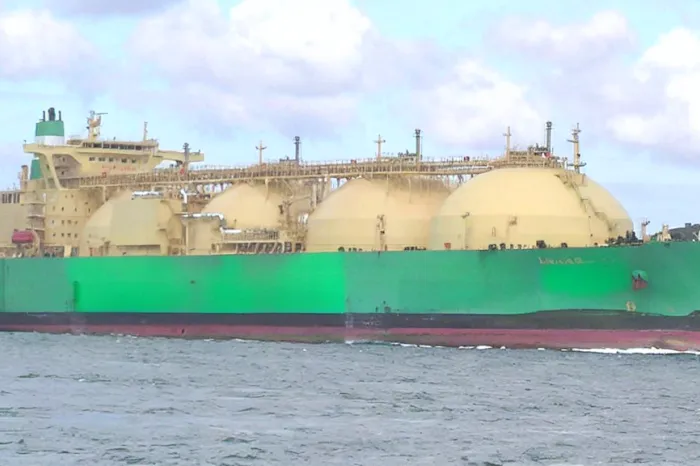
Canada and Germany have officially secured a landmark agreement to export liquefied natural gas (LNG) from British Columbia’s Pacific Coast, signaling a major shift in their energy trade relations. The deal commits Canada to supply up to one million metric tons of LNG annually to Germany, with deliveries projected to start in the early 2030s. This strategic partnership aims to diversify energy sources for both countries, reducing reliance on traditional markets, particularly the United States.
The LNG exports will originate from the planned Ksi Lisims terminal on Pearse Island, near the Alaska border. Although the project has received all necessary regulatory approvals, the consortium managing Ksi Lisims has not yet finalized its investment decision to begin construction. British Columbia Premier David Eby emphasized that securing firm agreements with international buyers like Germany is crucial before moving forward with the $10 billion Canadian (approximately $7.2 billion US) terminal development.
Canadian Prime Minister Justin Trudeau has made expanding trade beyond the U.S. a top priority, aiming to double non-American trade within ten years. Currently, nearly all Canadian oil and gas exports are destined for the U.S., making this new LNG deal with Germany a significant move toward broadening Canada’s global energy partnerships. For Germany, this arrangement is vital as it seeks to diversify energy supplies amid global disruptions linked to conflicts in Ukraine and the Middle East.
The long-term contract signing is expected at the Canadian Embassy in Berlin, symbolizing a two-decade commitment between both nations. The Ksi Lisims project already holds supply agreements with major international energy firms such as Shell and TotalEnergies, reinforcing confidence in its future launch.
This agreement highlights strengthening strategic energy ties between Canada and Germany, two influential middle powers on the world stage. It reflects their mutual interest in bolstering economic resilience by expanding energy trade beyond traditional partners amid increasing geopolitical uncertainties.
Industry experts view this deal as a promising sign for the growth of Canadian LNG exports into Europe and other global markets. The successful completion of Ksi Lisims could open doors for further diversification of North American energy trade while contributing meaningfully to global energy security.
In summary, the Canada-Germany LNG export agreement marks a critical milestone in international energy collaboration. It promises substantial economic benefits for both countries and supports Europe’s ongoing transition toward more reliable and diversified energy sources.