
President Donald Trump has expressed confidence that oil prices will plunge sharply following the recent peace agreement and the reopening of the Strait of Hormuz after the Iran conflict. However, energy market analysts caution that this optimistic forecast is unlikely to materialize in the short term. Although oil prices have retreated from recent highs, futures market data indicate that elevated prices are set to continue for years, driven by ongoing logistical challenges and supply limitations.
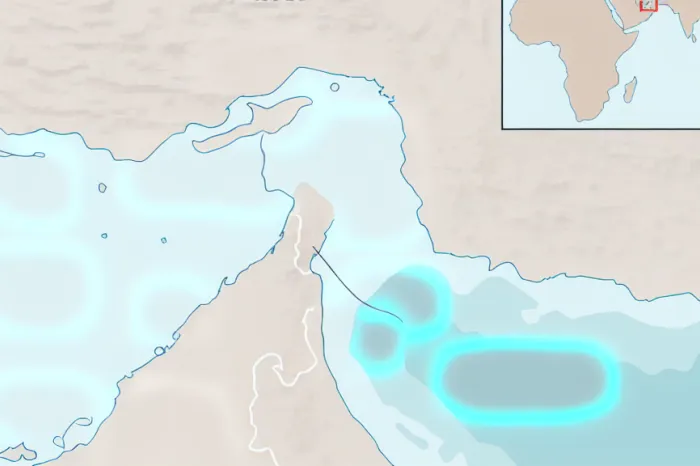
The Strait of Hormuz is a vital corridor for global oil shipments but remains heavily mined due to the conflict, complicating safe passage. The process of clearing these mines is slow and meticulous, expected to take several weeks or even months. Additionally, narrow shipping channels create bottlenecks that restrict the volume of oil that can flow through this critical maritime route.
Even after full access to the strait is restored, returning oil production to pre-conflict levels will be a gradual process. Many Middle Eastern oil wells were shut down during the hostilities, and reactivating them involves complex engineering work that could take weeks to complete. Compounding this issue, storage facilities near production sites are nearly full because exports were halted, further delaying a complete recovery in output.
Beyond immediate operational hurdles, long-term repairs to damaged infrastructure and efforts to replenish global emergency oil reserves will sustain demand for crude oil. These factors contribute to a fundamentally changed market dynamic where prices are unlikely to revert to pre-war lows anytime soon. Analysts note that while spot prices might dip temporarily, increasing demand from restocking activities will likely push prices higher over the coming years.
Market experts also highlight the importance of stable political conditions for a sustained recovery in supply chains. Maritime insurance premiums remain high as shipowners remain cautious about navigating the strait without a credible ceasefire backed by all parties involved. This uncertainty adds complexity to the global energy outlook and continues to influence oil price trends.
In conclusion, despite hopeful signs linked to the peace deal and reopening of essential shipping lanes, practical difficulties related to logistics, production ramp-up, and infrastructure repairs suggest that oil prices will remain elevated. The energy sector appears to be entering a “new normal,” characterized by persistently higher costs driven by enduring geopolitical tensions and ongoing supply chain disruptions.