
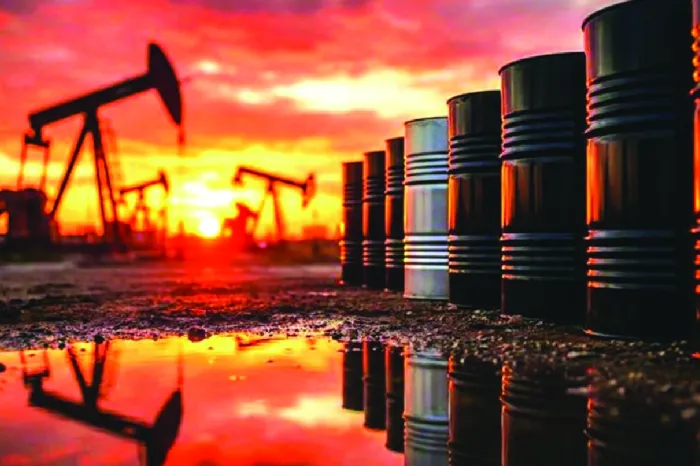
Oil prices have recently shown some stability, with the price per barrel recorded at $99.53 as of May 26, 2026. This marks a slight increase of 0.67% compared to the previous day. Despite this short-term rise, prices remain below the levels seen one month ago when oil traded at $105.95 per barrel, reflecting a 5.42% decline over that period. When compared to prices one year ago, the current price is significantly higher by 54.41%, indicating a notable long-term upward trend in the oil market.
The price of crude oil is influenced by various factors, primarily supply and demand dynamics. Geopolitical events, economic conditions, and production decisions by major oil-producing countries such as those in OPEC+ play crucial roles in shaping market trends. For example, threats of economic downturns or conflicts can cause rapid changes in oil prices. Additionally, government policies on drilling and energy production impact future supply expectations, which in turn affect current prices.
Consumers often feel the impact of crude oil price changes most directly at the gas pump. However, the final price paid for gasoline includes other costs beyond crude oil itself, such as refining, distribution, taxes, and retailer markups. Typically, crude oil accounts for more than half of the price per gallon of gasoline. This explains why increases in oil prices generally lead to higher gas prices quickly, while decreases tend to take longer to be reflected at the pump.
In the United States, the Strategic Petroleum Reserve serves as a safety net during supply disruptions or emergencies like natural disasters or geopolitical conflicts. While it provides temporary relief by softening sharp price spikes, it is not a solution for long-term supply issues but helps maintain economic stability and supports essential services during crises.
Oil markets are also interconnected with natural gas prices because both are key energy sources. A rise in oil prices can increase demand for natural gas as industries seek alternative fuels where possible. This interdependence highlights how shifts in one energy market can influence others.
Historically, oil prices have been highly volatile due to factors such as wars, production cuts by OPEC members, global recessions, and technological developments like shale oil extraction. For instance, oil saw dramatic shocks in the 1970s due to Middle East embargoes and again experienced sharp fluctuations during the 2008 financial crisis and the 2020 COVID-19 pandemic lockdowns.
Currently, Brent crude remains the primary global benchmark for oil pricing and is widely used to assess international market trends. In contrast, West Texas Intermediate (WTI) serves as a key benchmark within North America. These benchmarks help track price changes over time and provide insight into global energy markets.
Looking ahead, predicting exact movements in oil prices remains challenging due to their sensitivity to unpredictable global events and policy shifts. However, ongoing monitoring of supply-demand balances and geopolitical developments will continue to be essential for understanding future trends in this critical commodity market.
