
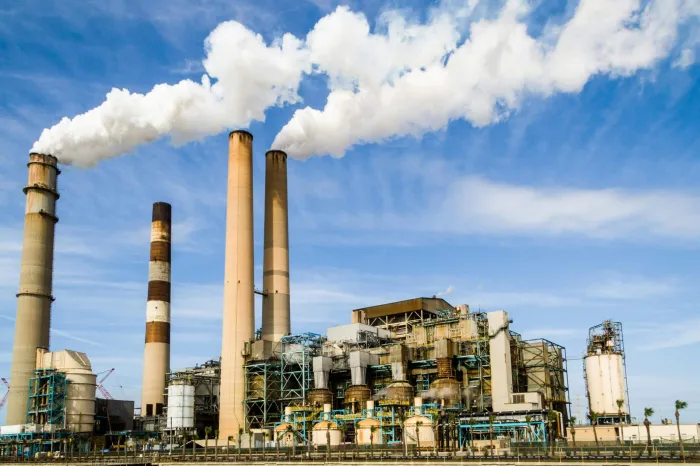
Natural gas continues to hold a crucial position in the global energy framework, particularly within industrial sectors aiming to operate more efficiently and with reduced environmental impact. Despite increasing momentum toward renewable energy sources, many industries still depend heavily on natural gas because of its cost-effectiveness and well-established infrastructure. This dependence creates a complex balancing act as companies strive to reconcile economic feasibility with environmental responsibility.
Industrial Reliance and Environmental Impact
In states such as Minnesota, industrial activities are major consumers of both natural gas and electricity, sustaining thousands of jobs across sectors including mining, refining, and manufacturing. These industries play a significant role in regional economies but are also responsible for a large proportion of greenhouse gas emissions. Notably, a relatively small number of facilities account for most of the industrial emissions in the state, highlighting the urgent need for focused strategies to lower their carbon footprint.
Innovations Bridging Renewable Energy and Industry
Emerging projects demonstrate promising approaches to integrating renewable energy into traditional industrial processes. A prominent example is a large battery storage installation in South Dakota that transforms surplus wind energy into steam used for biofuel production. This initiative not only boosts renewable energy utilization but also supports local agriculture and utility sectors by creating fresh market opportunities and increasing electricity demand. Such efforts illustrate how combining clean technologies with economic incentives can drive sustainable growth within heavy industry.
Economic Barriers to Replacing Natural Gas
Despite these advancements, shifting away from natural gas remains challenging due to cost differences between electric and gas-powered systems. In the United States, natural gas prices have stayed relatively low for over a decade thanks to hydraulic fracturing innovations, making it financially difficult for industries to adopt electric alternatives even though they may offer greater efficiency. As a result, some companies are pursuing incremental upgrades like capturing and reusing waste heat to curb natural gas consumption without fully replacing existing equipment.
Future Outlook: Gradual Transition and Policy Influence
Looking forward, experts anticipate that industries with extended planning horizons will gradually reduce their reliance on natural gas as market conditions evolve. Growing demand from data centers alongside increased export activity could tighten supply and push prices higher. Policymakers and utility regulators will be instrumental in guiding this shift by developing tariff structures and incentives that balance environmental objectives with economic realities.
Sustainable transformation in industrial energy use hinges not only on environmental considerations but also on economic viability for all stakeholders. The ongoing creation of tailored plans for individual industrial sites underscores the complexity involved in decarbonizing heavy industry. As global demand for cleaner energy rises, managing the interplay between cost, reliability, and emissions reductions will remain central to the future of natural gas consumption and broader energy policy worldwide.