
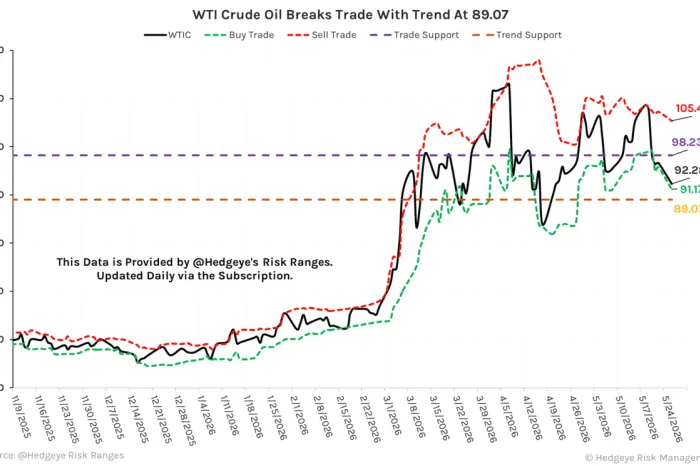
WTI crude oil prices have fallen sharply, hitting a four-month low as reports emerge about progress toward a possible interim agreement between the United States and Iran. This development has raised hopes that the Strait of Hormuz, a vital shipping route responsible for roughly 20% of global oil exports, could soon reopen. Brent crude futures also experienced a notable decline, settling at their lowest levels since early March.
Market Impact of Geopolitical Developments
The oil market is responding to indications that oil shipments through the Strait of Hormuz are increasing despite ongoing regional tensions. Satellite imagery reveals a rise in vessels crossing the strait with their tracking systems turned off. This, combined with a drop in Chinese crude imports and growing U.S. oil exports, has helped alleviate some supply concerns. Still, experts caution that even if the strait reopens, oil availability will remain constrained in the short term.
U.S. Inventory Trends and Export Growth
In recent weeks, U.S. crude inventories have plunged dramatically to levels not seen since the 1980s. The surge in American oil exports is further tightening global supply balances. Yet, geopolitical uncertainty lingers as conflicting statements from Washington and Tehran leave the timeline for a formal deal unclear.
Technical Analysis and Market Sentiment
From a technical perspective, WTI crude prices have struggled to break above critical resistance marked by the 20-day exponential moving average (EMA). This suggests cautious sentiment among traders, with sellers maintaining control over short-term price movements. Analysts warn that without a major catalyst—such as significant supply disruptions or sharper inventory declines—prices could continue facing downward pressure.
Demand Challenges and Regional Risks
Demand dynamics are also influencing price trends. Chinese crude imports from Saudi Arabia have fallen to an eight-year low, reflecting softer demand from one of the world’s largest consumers. This weakening demand partially offsets the upward price pressures stemming from tighter supplies and geopolitical risks.
Despite optimism surrounding peace talks that might reopen key maritime routes, many tanker operators remain wary of potential risks in the region. The complexity of negotiations and differing interpretations of preliminary agreements have contributed to trader caution. Furthermore, several countries are diversifying their oil purchases by increasing reliance on U.S. crude rather than depending solely on Persian Gulf supplies.
Overall, WTI crude oil prices find themselves caught between rising supply facilitated by increased U.S. output and alternative shipping routes, and persistent uncertainty fueled by geopolitical tensions and fluctuating demand patterns. Market participants continue to monitor diplomatic progress alongside inventory data closely for signs pointing to future price direction. Until clearer signals emerge, volatility is expected to remain a defining feature of global energy markets.