
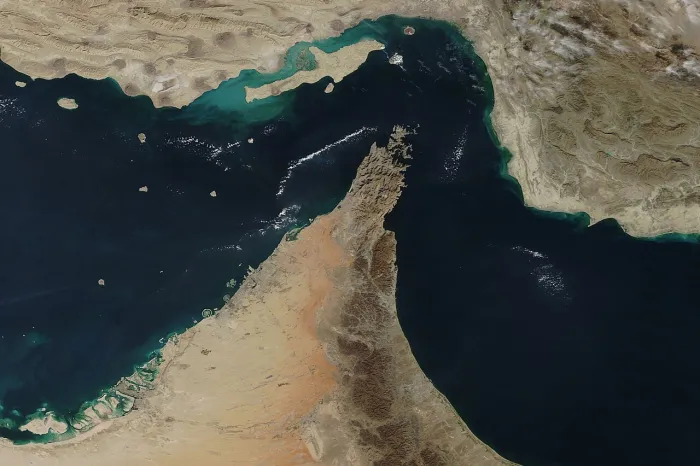
Crude oil prices have fallen sharply this week, reaching their lowest levels since early March. This decline comes after the United States and Iran announced a preliminary agreement to reopen the Strait of Hormuz and end the U.S. naval blockade of Iranian ports. The deal, which is expected to be formally signed soon, has eased geopolitical tensions that had previously driven oil prices higher.
West Texas Intermediate (WTI), the U.S. benchmark for crude oil, dropped below $80 per barrel for the first time since March, settling around $76 on Tuesday. Similarly, Brent crude, the international benchmark, fell below $80 briefly before rebounding slightly. The reduction in prices marks a significant reversal from the spike seen earlier this year when the conflict between the U.S., Israel, and Iran began in late February.
The Strait of Hormuz is a critical chokepoint for global oil supplies, with about 20% of the world’s oil passing through it. Its closure during the conflict caused major disruptions in shipping and raised concerns over supply shortages. The reopening of this vital waterway is expected to gradually restore normal shipping flows; however, experts warn that it will take weeks or even months to clear mines and repair infrastructure damaged during the conflict.
While crude oil prices have fallen considerably, gasoline prices at the pump have decreased more slowly. In the United States, the national average price for regular gasoline has dropped by 12 cents to around $4.04 per gallon but remains significantly higher than pre-conflict levels. Factors such as refinery maintenance schedules and seasonal fuel changes also influence gas prices and may delay their return to previous lows.
Market analysts have responded by lowering their oil price forecasts for the coming months. Major investment banks like Goldman Sachs expect Brent crude to average around $85 per barrel in the fourth quarter of 2026, down from earlier predictions. Despite these downward revisions, uncertainty remains due to ongoing geopolitical risks and potential delays in restoring full production and shipping capacity in the Middle East.
U.S. crude oil production continues at near-record highs, with output averaging approximately 13.79 million barrels per day. This strong domestic production helps offset some supply concerns caused by disruptions abroad. Additionally, the U.S. government plans to refill its Strategic Petroleum Reserve after releasing a substantial volume earlier this year to stabilize markets.
Regional gasoline prices vary widely across the United States, with West Coast states like California and Washington experiencing some of the highest costs due to environmental regulations and logistical challenges. Meanwhile, states like Indiana and Texas offer some of the lowest gas prices in the country.
Overall, while optimism surrounds the peace agreement between the U.S. and Iran and its potential to ease supply tensions, oil markets remain cautious. The full normalization of exports through the Strait of Hormuz and recovery of Middle Eastern oil production will take time, keeping crude prices volatile in the near term.