
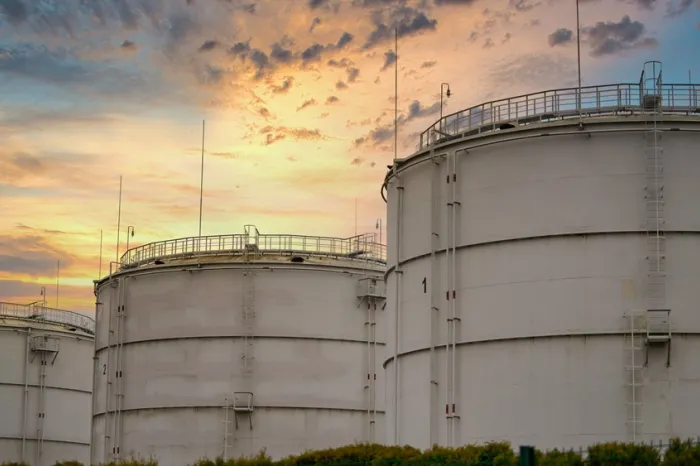
Global oil inventories have been shrinking at a pace not seen in recent years, raising concerns about the stability of future supply and the potential for increased price volatility. According to Goldman Sachs, the daily withdrawal rate of oil reserves has accelerated significantly since April, reaching an unprecedented peak of 8.7 million barrels in early May. This steep decline underscores a tightening physical market that is putting pressure on energy security worldwide.
Impact of Geopolitical Strains on Oil Supply
The investment bank highlights ongoing geopolitical tensions around the Strait of Hormuz as a major disruptor to oil exports. Currently, shipments through this vital chokepoint are operating at roughly 5% of their normal capacity, creating a significant bottleneck. This disruption has contributed to the sharpest drop in global oil inventories in nearly eight years. Presently, global reserves cover about 101 days of expected demand, signaling a diminished safety net against sudden supply shocks.
Market Reactions and Price Volatility
While inventories are not projected to hit critically low levels during the summer months, the rapid depletion combined with regional supply interruptions has raised alarms among traders and analysts. These concerns have translated into heightened price fluctuations. For example, Brent crude was trading near $112.93 per barrel as of May 20, 2026—a slight decrease from the previous day but still more than 67% higher than prices from last year.
Forecasts and Risk Assessments
Financial institutions like Citi warn that market participants may be underestimating the risk of prolonged disruptions due to ongoing conflicts involving Iran. Forecasts suggest that if tensions persist without resolution, Brent crude prices could soar to $200 per barrel. Conversely, a diplomatic breakthrough between Iran and the United States by late June could ease prices back down to approximately $80 per barrel by year-end.
Strategic Reserves and Broader Economic Implications
The U.S. Strategic Petroleum Reserve continues to serve as a critical tool for mitigating sudden price spikes and safeguarding energy security during emergencies. However, it is designed as a short-term buffer rather than a long-term solution for supply constraints caused by geopolitical instability or natural events.
Rising oil prices also ripple through the broader economy by driving up costs in transportation and manufacturing sectors. This effect often leads to higher consumer prices and fuels inflationary pressures. Additionally, shifts in oil pricing influence natural gas demand and pricing trends due to the interconnected nature of global energy markets.
In conclusion, the global oil market remains highly sensitive to geopolitical developments and shrinking stockpiles. With inventories at multi-year lows and key export routes severely constrained, industry experts continue to closely monitor Middle East tensions and worldwide production patterns to anticipate future price trends and their wider economic impacts.