
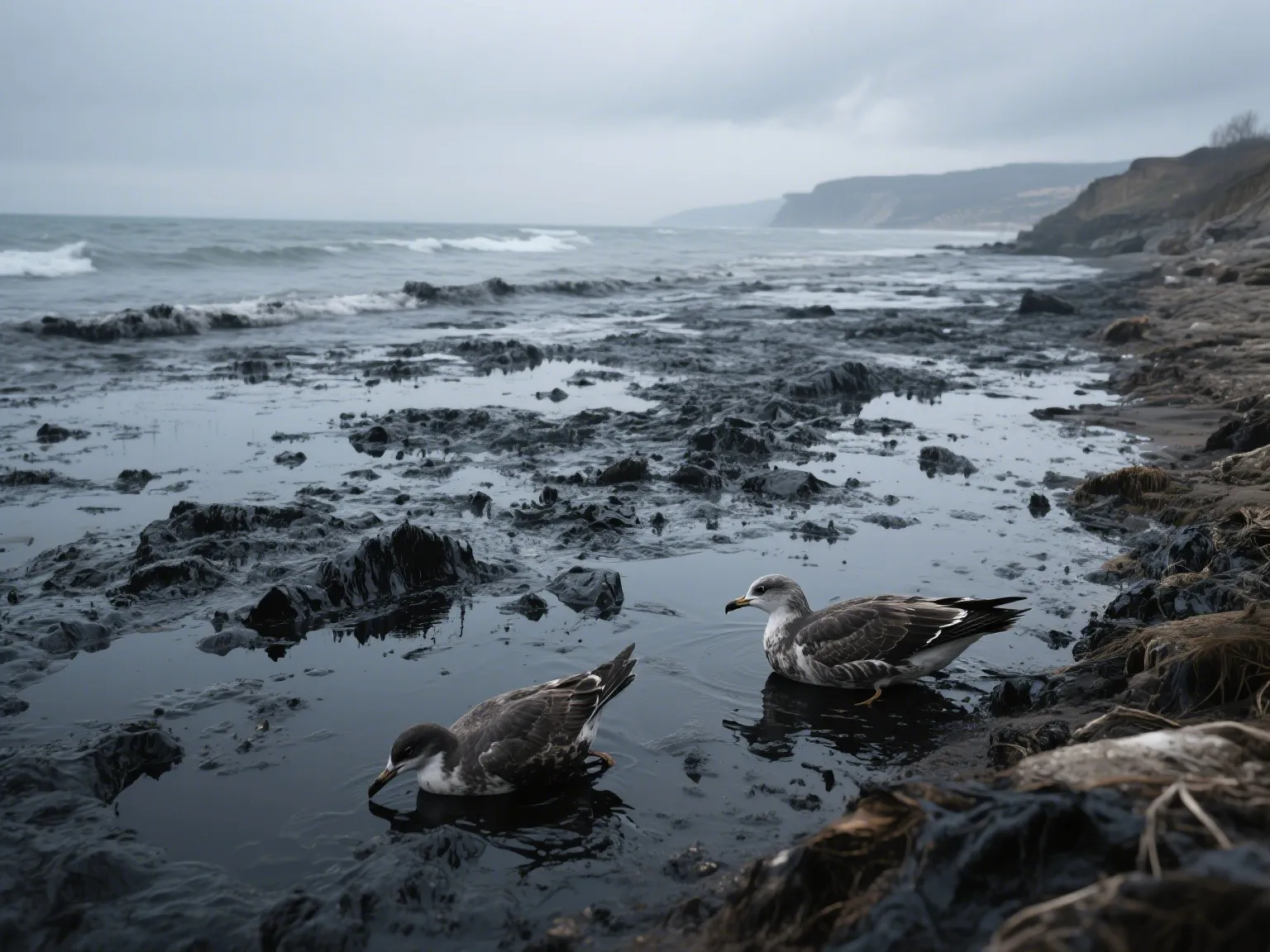
On August 29, a significant environmental crisis unfolded at the port of Novorossiysk on Russia’s Black Sea coast, where a large-scale oil spill was reported. Preliminary estimates indicated that approximately 10 tonnes of oil products were released, initially believed to have contaminated an area spanning up to 350 square kilometres. However, subsequent analysis using Sentinel satellite imagery has provided a more nuanced assessment: the spill covered an estimated 50 square kilometres on the day of the incident and expanded to approximately 80 square kilometres by August 30. While initial reports suggested a much larger affected area, current satellite data do not confirm the extent of a 350-square-kilometre slick at this time.
The source of the spill has been traced to the oil tanker T.Semahat, a vessel with a tonnage of 157,000 tonnes, built in 2017 and operating under the Turkish flag. The incident occurred within Russian territorial waters, placing responsibility for containment and remediation squarely with Russian authorities.
Environmental Impact and Spread
In the days following the spill, disturbing images and videos surfaced online showing Russian beaches—most notably those near Anapa—tainted by oil products. The contamination was not limited to shorelines; wildlife has also been directly impacted. Photographs documented birds coated in oil, highlighting immediate ecological distress. The oil slick itself has exhibited rapid westward movement since its release, raising concerns about its potential reach to the shores of Crimea, which remains under temporary occupation.
The environmental consequences are severe and multifaceted. Oil pollution forms a continuous film on water surfaces, posing grave risks to marine life by obstructing oxygen exchange. Birds are particularly vulnerable; upon landing or diving into contaminated waters in search of food, they come into direct contact with toxic petroleum residues. This exposure can lead to hypothermia, poisoning, and death. Beyond avian species, marine mammals and other aquatic organisms are also threatened by both acute toxicity and long-term habitat degradation.
Scientific Assessment and Satellite Analysis
Satellite monitoring has played an essential role in quantifying the scope of this disaster. Sentinel imagery enabled independent verification of the slick’s size and trajectory over consecutive days. On August 29—the day of the spill—the contaminated area measured approximately 50 square kilometres; by August 30 it had grown to nearly 80 square kilometres as currents carried pollutants westward along the coastline.
This data-driven approach is critical for both immediate response efforts and long-term environmental management strategies. Accurate mapping allows authorities and international observers to gauge risks to sensitive ecosystems—including wetlands, estuaries, and migratory bird habitats—and prioritize areas for intervention.
Accountability and Response Measures
Given that the spill originated within a Russian port facility, Russia bears primary responsibility for orchestrating cleanup operations and mitigating further environmental harm. International protocols dictate that prompt action must be taken following such accidents to contain pollutants before they disperse widely across marine environments.
Experts emphasize that immediate measures should include:
- Deployment of specialized containment booms around affected zones to prevent further spread.
- Mobilization of skimming vessels and absorbent materials for recovery of surface oil.
- Coordinated rescue operations for impacted wildlife—particularly birds—requiring cleaning and rehabilitation.
- Ongoing monitoring using satellite technology to track residual contamination and guide restoration efforts.
Failure to act swiftly could result in irreversible damage across vast stretches of coastal waters, imperiling local economies dependent on tourism and fisheries as well as undermining regional biodiversity.
Broader Implications for Regional Stability and Environmental Policy
The Black Sea is home to diverse ecosystems supporting numerous species as well as human communities reliant on healthy marine resources. Large-scale pollution events such as this underscore vulnerabilities inherent in industrial maritime operations—especially when oversight or emergency preparedness is lacking.
The incident also raises questions regarding cross-border cooperation on environmental protection in contested regions like Crimea. As pollutants migrate beyond national jurisdictions, effective response increasingly depends on transparent reporting, international collaboration, and adherence to global standards for accident prevention and remediation.
Conclusion: Urgent Need for Action and Accountability
The recent oil spill off Novorossiysk represents one of the most pressing ecological emergencies facing the Black Sea region this year. With confirmed impacts on wildlife and expanding contamination zones threatening additional coastline—including Crimea—the need for decisive action cannot be overstated.
Russian authorities must undertake robust cleanup operations without delay while engaging transparently with regional partners and scientific experts. Only through coordinated intervention can further damage be contained—and lessons learned applied toward preventing future incidents in these sensitive waters.
Related topics: