
WTI crude oil prices have experienced a significant drop since peaking in April, despite ongoing supply concerns fueled by geopolitical tensions in the Middle East. The closure of the Strait of Hormuz has caused a substantial disruption in oil supply, yet by the end of May, WTI prices had fallen more than $30 per barrel. This decline occurs even as global oil inventories are expected to shrink sharply—by about 7.5 million barrels per day in the second quarter and 3.5 million barrels per day in the third quarter—highlighting a complex interplay of market factors.
Market Dynamics Behind the Price Drop
Several key elements have contributed to this surprising weakening of WTI crude oil prices. Notably, the easing of sanctions on large shipments of Russian and Iranian crude oil currently en route has helped ease some supply pressures. Meanwhile, demand from China has slowed significantly, reducing upward pressure on prices. Additionally, earlier high prices during March and April led to a drop in oil consumption, which further dampened demand growth and softened market tensions.
Strategic Petroleum Reserve Actions
In response to supply disruptions related to the Iran conflict, the International Energy Agency (IEA) coordinated a global effort among its 32 member nations to stabilize markets. In March, these countries agreed to release an unprecedented 400 million barrels from strategic reserves. The United States committed the largest share, pledging 172 million barrels from its Strategic Petroleum Reserve (SPR). This collective move contributed to easing prices and weakening some of the usual support for U.S. crude oil values.
Operational Challenges Limit SPR Impact
Despite the SPR release, operational complexities have limited its full effect. Although the U.S. Department of Energy authorized releasing 107 million barrels, actual SPR stocks have only declined by about 50 million barrels since March. This discrepancy arises because the SPR operates on an exchange basis: participants borrow oil, sell it immediately, and later return it with roughly a 20% premium. These mechanics create volume imbalances that complicate hedging strategies and discourage full market engagement.
Logistical Bottlenecks Further Constrain Supply Relief
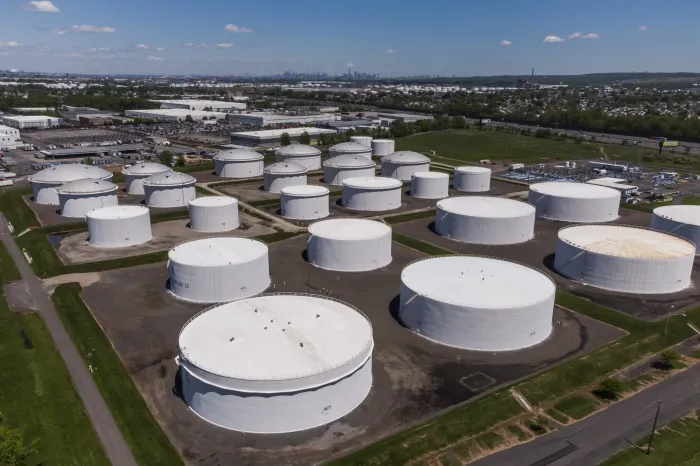
Logistical issues also hinder the effectiveness of SPR withdrawals. Commercial terminals receiving additional oil are nearing capacity limits, restricting how quickly this oil can enter the market. Together with operational hurdles, these factors suggest that while SPR releases offer temporary relief from supply shocks related to Iran, they are unlikely to fully counterbalance ongoing geopolitical risks.
In summary, WTI crude oil futures are navigating a multifaceted environment shaped by geopolitical conflicts, shifting demand trends, and strategic reserve interventions hampered by practical constraints. Market watchers will closely monitor these evolving dynamics as they continue to influence price stability in the coming months.