
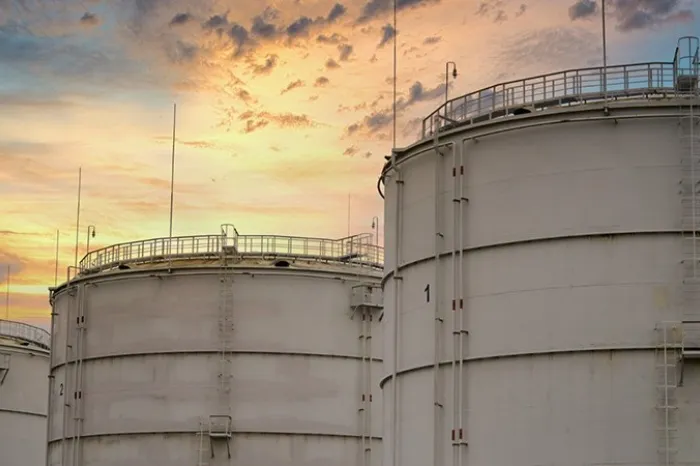
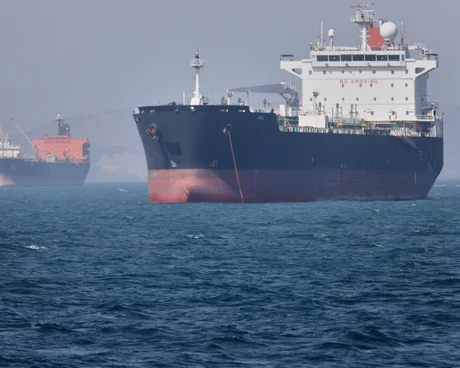
Oil prices have experienced significant swings in recent weeks as tensions between the United States and Iran continue to shape global energy markets. The near closure of the Strait of Hormuz, a vital passage for about one-third of the world’s oil shipments, has caused major disruptions in supply. Yet, hopes for a peace deal between the US and Iran have kept prices from soaring to levels expected from such a supply shock.
In early June, Brent crude prices climbed above $93 per barrel following renewed US threats of military action against Iran and concerns over tightening inventories worldwide. However, these gains were short-lived as President Donald Trump announced the cancellation of planned strikes on Iran, citing progress in diplomatic talks. This announcement sparked a sharp drop in oil prices, with Brent crude falling below $85 per barrel at one point, before stabilizing around $87.50.
Market analysts attribute this volatility to the interplay between geopolitical risks and temporary buffers that have helped manage supply shortages. China, the world’s largest crude importer, has drastically reduced its oil imports to multi-year lows amid high prices, while the US has ramped up crude exports to record levels. Additionally, strategic petroleum reserves in developed countries have been released to ease market pressures. However, these buffers are depleting rapidly.
Experts warn that if the Strait of Hormuz remains largely inaccessible through July, global oil inventories could fall below critical levels. Warren Patterson, Head of Commodities Strategy at ING, predicts an inflection point by the end of July where Brent crude could spike to $120-$130 per barrel. This surge would increase pressure on US policymakers to finalize a deal with Iran to reopen the strait and restore normal oil flows.
Despite optimism surrounding a potential agreement, some skepticism remains as Iranian officials have denied that final terms have been settled. Even if a deal is signed soon, analysts caution it could take months for oil flows through the strait to return to pre-conflict levels due to logistical challenges and depleted stockpiles globally.
The tightening market has also impacted gasoline and diesel prices worldwide, which rose sharply since the conflict began but have recently softened alongside crude prices. In the United States, gasoline prices fell slightly after the announcement of peace talks but remain about 40% higher than before the crisis.
Looking ahead, traders remain cautious as they weigh conflicting signals: geopolitical tensions that could restrict supply further versus easing fears if diplomatic progress continues. The energy sector is also watching China’s demand closely; its continued import cuts have tempered price rises but may not be sustainable if stockpiles run too low.
In summary, the oil market stands at a critical juncture shaped by ongoing US-Iran tensions and tentative peace negotiations. While current buffers have prevented extreme price spikes so far, their exhaustion could lead to sharp increases this summer unless trade routes reopen promptly. The coming weeks will be crucial in determining whether diplomacy can stabilize global energy supplies or if supply constraints will push oil prices higher.