
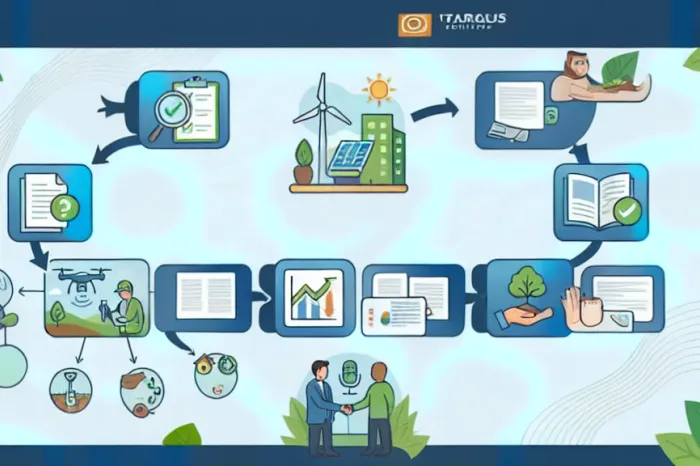
Sri Lanka is taking significant steps to enhance its environmental oversight by proposing critical amendments to the National Environment Act. These changes focus on strengthening the Environmental Impact Assessment (EIA) process, aiming to improve how the country evaluates and manages the environmental effects of development projects.
Strengthening the Environmental Impact Assessment Process
The revised legislation introduces more rigorous requirements for conducting EIAs, ensuring that environmental considerations are thoroughly integrated into project planning and government decision-making. This move highlights Sri Lanka’s growing commitment to aligning economic growth with sustainable environmental management.
Endorsement from Environmental Experts and Stakeholders
Environmental professionals and research institutions have welcomed the amendments, noting their potential to increase transparency and accountability in project approvals. By upgrading the EIA framework, the government seeks to reduce environmental damage while promoting sustainable practices across various sectors.
Integration with National Economic Priorities
These legislative updates come ahead of the Sri Lanka Economic and Investment Summit scheduled for October 12 and 13, 2026. The summit will focus on pressing national issues including sustainability, economic resilience, and structural reforms. Enhancing EIA standards supports Sri Lanka’s broader strategy to build an economy that can withstand shocks while preserving its natural environment.
Collaborative Efforts at the Economic Summit
Attendees of the summit—comprising local and international experts, development partners, and private sector representatives—are expected to discuss how a reinforced EIA system can encourage sustainable investments and responsible resource management. Key discussions will revolve around balancing energy demands, environmental protection, and economic progress.
Commitment to International Environmental Benchmarks
These reforms reflect Sri Lanka’s dedication to upholding global environmental standards amid rapid development pressures. By refining the EIA process, authorities aim to mitigate negative impacts on ecosystems and communities, fostering a healthier environment for future generations.
Overall, the proposed amendments to the National Environment Act represent a major advancement in Sri Lanka’s environmental policy framework. They promise enhanced regulatory oversight and more informed decision-making in development projects across the country.