
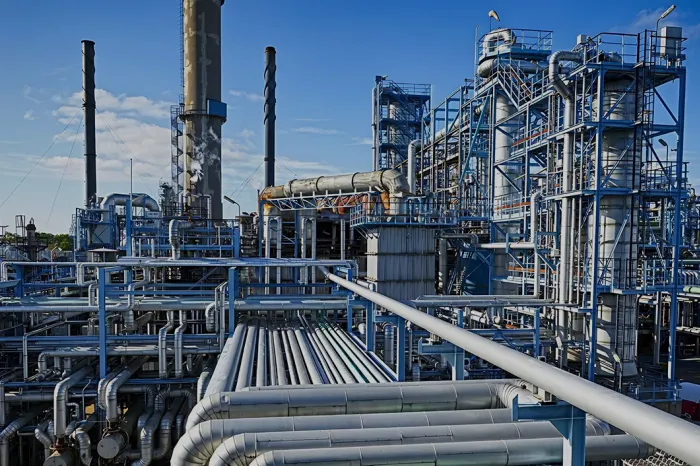
The Marcellus and Utica shale formations continue to hold vast reserves of economically recoverable natural gas, playing a crucial role in meeting the growing energy demands of power plants and liquefied natural gas (LNG) exporters. However, a substantial increase in production hinges on expanding pipeline infrastructure to efficiently transport this gas to vital markets. Recent announcements reveal a series of pipeline projects and expansions aimed at improving natural gas flow throughout the Northeast and extending to other regions of the United States.
Northeast Pipeline Network Transformation
While much of the spotlight has been on natural gas developments in Texas and Louisiana, the Northeast has been steadily upgrading its pipeline systems. These improvements are set to reshape how natural gas circulates within the region and influence deliveries to key destinations like the Gulf Coast. Demand for natural gas is rising sharply in the Northeast, driven largely by the retirement of coal-fired power plants and the increasing reliance on gas-fired electricity generation, especially from new data centers.
Expanding Capacity for New England, New York, and New Jersey
Several pipeline projects are underway to boost capacity for supplying natural gas across New England, New York, and New Jersey. Historically, expanding pipeline access into New England has faced considerable opposition. However, there is a notable shift as regulators and elected officials across this six-state area show growing support for enhancing existing pipeline infrastructure. This change is motivated by the urgent need to reduce dependence on diesel generators during peak winter months and to compensate for offshore wind projects that have been delayed or canceled due to political hurdles.
Enhancing Regional and Interstate Gas Flow
Beyond serving local markets, some pipeline expansions focus on increasing gas movement within the Marcellus/Utica region itself, while also extending flows down the Eastern Seaboard and reaching into the Midwest. Certain projects involve routing natural gas westward into Ohio before transporting it southward into Southeastern states. These efforts represent a significant advancement toward long-term objectives held by producers and midstream companies: delivering larger volumes of Appalachian natural gas to a broader range of markets.
Supporting Cleaner Energy Transition and Economic Growth
The ongoing enhancements in pipeline infrastructure reflect a larger trend toward adapting energy systems to support cleaner power generation while meeting escalating demand. As coal plants continue to close across the region, natural gas emerges as a vital component for ensuring reliable electricity supply. The new pipelines will facilitate more efficient energy delivery, promoting economic growth and strengthening energy security across multiple states.
In conclusion, expanding natural gas pipeline infrastructure in the Northeast is essential for accommodating increased production from the Marcellus and Utica shale basins. These projects will improve delivery capacity both within the region and beyond, addressing rising power generation needs while helping reduce environmental impacts associated with older fuel sources. The evolving pipeline network marks a pivotal development in shaping the future landscape of the U.S. natural gas market.