
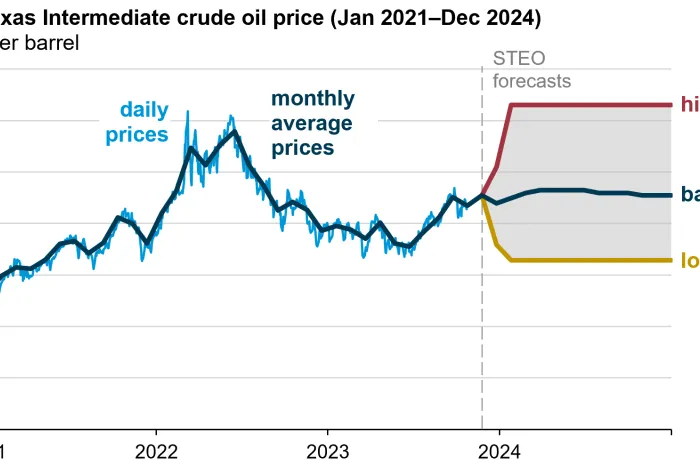
WTI crude oil prices experienced a notable decline following reports of a ceasefire agreement between Israel and Lebanon. After climbing nearly 10% over the previous three days, U.S. WTI crude futures dropped back to around $95 per barrel as markets responded to the reduced tension in the Middle East.
Ceasefire Eases Immediate Supply Concerns
The U.S. Department of State confirmed that Hezbollah has agreed to cease all attacks and pull back militants from regions south of the Litani River. This development has eased short-term fears of supply disruptions in a historically unstable area, leading to a retreat in oil prices after recent gains fueled by geopolitical uncertainty.
Ongoing Regional Risks Despite Diplomatic Progress
Although the ceasefire marks a positive step, the broader regional instability remains a significant concern. Diplomatic negotiations between the United States and Iran continue but have yet to yield substantial breakthroughs. These talks focus heavily on extending the current truce and securing safe passage through the Strait of Hormuz, a critical chokepoint for global oil shipments. Iranian officials have maintained that they are prepared to respond decisively if any aggression against Beirut resumes, underscoring persistent risks to regional stability.
Global Supply Dynamics Amid Geopolitical Tensions
Adding complexity to the global oil market, Russian crude exports recently reached record highs despite ongoing strikes targeting key Russian refineries. This contrast illustrates how geopolitical factors continue to shape supply flows amid fluctuating worldwide demand.
Domestic Inventory Trends Support Prices
Within the United States, crude inventories have steadily declined, particularly at Cushing, Oklahoma—the main delivery hub for WTI crude. Stocks there have fallen for six consecutive weeks and are nearing minimum operational levels. This tightening domestic supply underpins crude prices even as international tensions show signs of easing.
Brent Crude and Market Outlook
Brent crude also reflected these developments, hovering near $98 per barrel during this period. The interplay of Middle Eastern diplomacy, shrinking U.S. stockpiles, and global export trends continues to fuel volatility in oil markets.
Investors and analysts are closely monitoring ongoing diplomatic efforts and regional security conditions. While the ceasefire offers temporary relief, the possibility of renewed conflict remains a major factor that could disrupt oil supplies and influence global prices in the near term.