
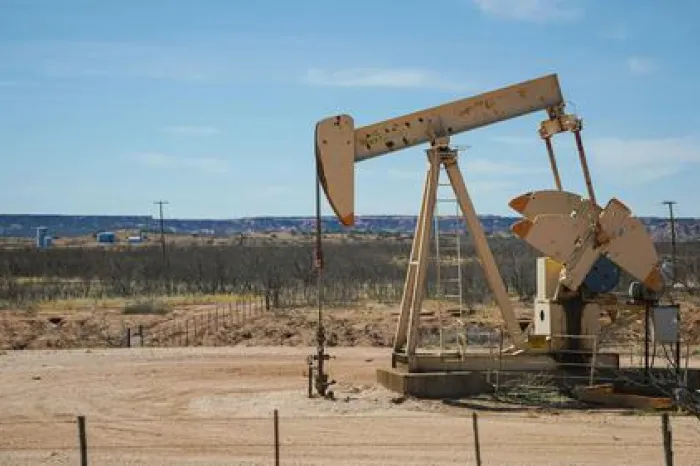
The recent escalation of conflict in the Middle East has caused a sharp increase in global oil prices, pushing Brent crude above $100 per barrel for the first time in over a year and a half. This surge reflects growing worries about supply disruptions, especially through the Strait of Hormuz, a critical chokepoint responsible for transporting about one-fifth of the world’s oil and liquefied natural gas daily. The ongoing clashes, including strikes between the United States and Iran, have intensified market fears, leading traders to demand a significant risk premium on crude oil.
Oil prices have risen rapidly from around $61 per barrel at the end of last year to more than $106 recently. Analysts warn that if the Strait of Hormuz were to close even for a month, oil prices could jump an additional $10 to $15 per barrel due to limited alternative routes. The disruption is not limited to oil alone; liquefied natural gas supplies are also at risk, raising concerns about energy shortages and price spikes in Europe and Asia.
The economic impact of these rising energy costs extends beyond fuel markets. Higher oil prices threaten to slow global economic growth by increasing inflation and raising production costs worldwide. Economists estimate that prolonged high oil prices could reduce European Union growth by up to half a percentage point and push inflation higher in developed countries by nearly one percent. Asian economies are particularly vulnerable due to their heavy reliance on Middle Eastern oil and gas imports passing through the Strait of Hormuz.
Supply chain disruptions are compounding these challenges. Shipping routes through the Strait of Hormuz and the Red Sea are experiencing delays as vessels avoid dangerous areas, often rerouting around Africa, which adds weeks to transit times and increases shipping costs. Insurance premiums for vessels operating in these regions have tripled, making transport more expensive or even unfeasible. These logistical issues are causing delays in goods like agricultural products and industrial materials, further contributing to global inflationary pressures.
Central banks face a difficult policy environment as they balance efforts to control inflation against the risk of stalling economic growth. The surge in energy prices may force them to delay interest rate cuts or even consider tightening monetary policy further. In the United States and Europe, bond yields have already risen as investors anticipate prolonged inflationary pressures. Some Asian central banks may also tighten rates if energy-driven inflation persists.
Europe is at particular risk of a new energy crisis given its dependence on liquefied natural gas flowing through the Strait of Hormuz. Any sustained disruption could lead to sharp increases in European gas prices, affecting heating and industrial production just as winter approaches. Recent attacks on energy infrastructure in the region have already pushed gasoline and diesel prices higher across Europe.
In summary, the Middle East conflict is creating significant uncertainty for global energy markets. The combination of rising oil prices, disrupted shipping lanes, and strained supply chains threatens to slow economic growth while increasing inflation worldwide. Policymakers and investors will need to closely monitor developments in the region as they navigate this challenging environment.