
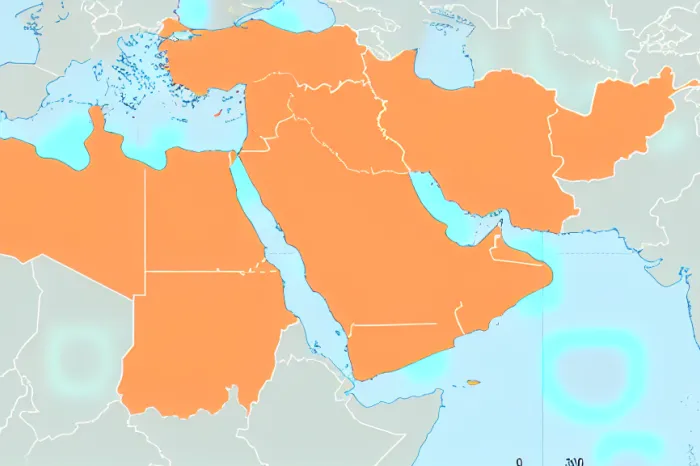
WTI crude oil futures surged sharply, climbing more than 2.4% during intraday trading to hit new daily highs. This surge comes amid escalating military tensions in the Middle East, where Kuwait has reported missile and drone attacks targeting its territory.
Rising Threats in Kuwait Trigger Oil Market Reaction
The Kuwaiti military confirmed it is actively defending against hostile aerial incursions. These developments have raised concerns about potential disruptions to critical oil supply routes that traverse this geopolitically sensitive region. News of these attacks immediately alarmed traders and investors, who responded by driving crude oil prices upward.
Impact on Global Oil Markets
Both Brent and WTI crude oil futures experienced significant gains as the market reacted to the unfolding situation. The Middle East remains a vital center for global energy security, and any increase in regional instability tends to reverberate quickly through international oil markets. The heightened risk has led to increased premiums being priced into futures contracts.
Analysts Weigh In on Supply Risks
Experts warn that while the current price jump reflects immediate concerns, a prolonged conflict or further escalation could severely affect oil production and exports from the region. Key maritime chokepoints such as the Strait of Hormuz remain vulnerable, and any blockage there could drastically restrict global oil flows, intensifying supply chain uncertainties.
Market Outlook Amid Volatility
The recent rise in WTI crude oil futures highlights how geopolitical risks continue to dominate commodity pricing. With tensions escalating, energy markets are expected to remain volatile as investors carefully weigh the balance between possible supply disruptions and broader economic conditions.
In summary, the sharp increase in WTI crude prices following Kuwait’s reports of missile and drone threats underscores the sensitivity of oil markets to Middle Eastern security developments. Traders are likely to stay on high alert, adjusting their positions as geopolitical risks continue to evolve.