
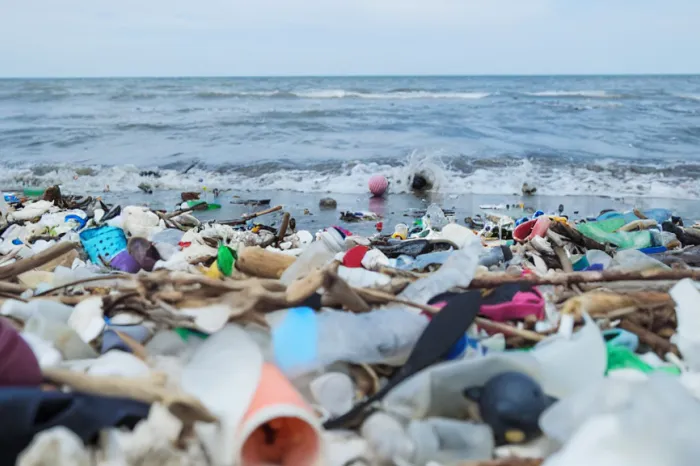
Efforts to establish a Global Plastics Treaty have stalled, leaving the world’s plastic pollution crisis to worsen unchecked. However, new research from the Environmental Investigation Agency (EIA) offers hope by showing that significant reductions in plastic production and pollution are possible without waiting for full international agreement.
Negotiations led by the United Nations’ Intergovernmental Negotiating Committee (INC) began in 2022 but became deadlocked last year, despite many countries agreeing on the need to address plastic pollution. The standstill is largely due to opposition from a small number of countries with vested interests in increasing plastics production. This impasse threatens to allow global plastic output to soar to approximately 766 million tonnes by 2040, equating to over 75 trillion plastic bottles or enough plastic for more than 100 smartphones per person each year.
In response, EIA commissioned Eunomia Research & Consulting Ltd to model alternative approaches where groups of countries act together rather than waiting for universal consensus. Their report, “Bending the Curve,” explores different scenarios where coalitions of countries with high ambition collaborate to reduce plastic production and consumption starting in 2030.
The study models three main coalition scenarios: a group of high-ambition countries acting alone; this group plus China, a major player in global plastics; and an extended coalition including China plus emerging economies like Brazil, India, and South Africa. Results show that even limited coalitions can achieve meaningful reductions. For example, a coalition of high-ambition countries alone could reduce global production by 16-18% compared to business as usual. Including China could nearly double this impact, cutting production by up to 38%, while adding emerging economies could reduce production by about 45%, lowering mismanaged plastic waste by over 50% and cutting cumulative greenhouse gas emissions by more than 10 gigatons of CO₂.
Experts emphasize that waiting for full global agreement risks locking in further environmental damage. Eunomia’s Managing Consultant Economist Tanzir Chowdhury stated that ambitious coalitions can trigger systemic change away from increasing plastic production, delivering deep cuts in pollution and emissions. EIA Ocean Campaign Leader Christina Dixon criticized the small group of opposing countries for derailing progress but stressed that action can proceed without everyone on board.
The report highlights that plurilateral cooperation—where subsets of countries lead efforts—can break the deadlock seen in international talks. Such coalitions offer a practical way forward to reduce plastic pollution and climate emissions without being held hostage by opposing interests. This approach mirrors similar strategies used in climate negotiations aimed at overcoming political stalemates.
EIA’s research sends a clear message: leadership matters, and momentum builds when willing countries start acting now. The findings suggest that bold coalitions can bend the curve on plastic pollution and climate impact even amid diplomatic challenges, offering a hopeful path toward a cleaner, more sustainable future.