
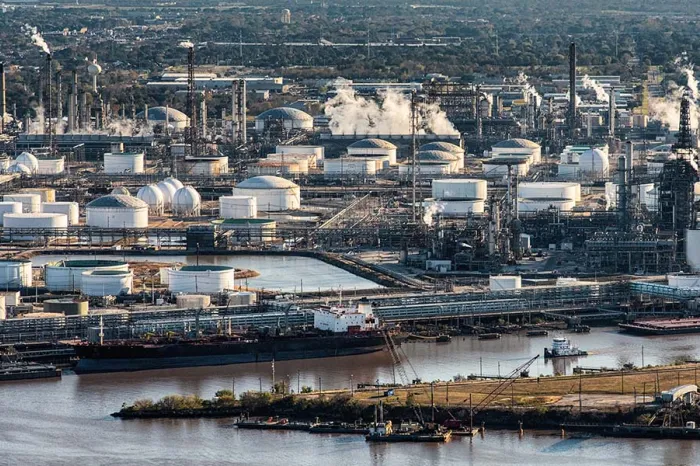
A rare shipment of crude oil from the United States’ Strategic Petroleum Reserve (SPR) has been dispatched to the Philippines, signaling a significant shift in global oil supply routes amid ongoing geopolitical tensions. This move marks the first U.S. oil export to Asia since late 2022, underlining the disruption caused by the closure of tanker traffic in the Strait of Hormuz, a vital corridor for Middle Eastern oil exports.
The tanker Arosa, flagged in Greece, is carrying approximately 616,000 barrels of U.S. sour crude from the SPR to the Philippines, accompanied by an additional 700,000 barrels of another sour crude blend. Traditionally, the Philippines and much of Asia have relied heavily on Middle Eastern countries like Saudi Arabia, Iraq, and the United Arab Emirates for their crude oil imports. However, with Iran and the United States at odds over control of the Strait of Hormuz, these established supply lines have been severely disrupted.
This disruption has forced Asian nations to seek alternative sources, with the U.S. stepping in to fill some of the supply gaps. The Biden administration has been releasing significant volumes from its strategic reserves—over 180 million barrels in 2022 and an additional 172 million barrels recently—as part of a coordinated effort with International Energy Agency (IEA) member states to mitigate supply shortages caused by the Strait’s closure.
Despite these efforts, experts warn that these releases may not be sufficient to cover the estimated daily shortfall of 14 to 15 million barrels from Middle Eastern production. The ongoing political stalemate between Iran and the United States suggests that this supply challenge could persist or worsen in the near term, with Asian economies bearing much of the impact due to their dependence on Middle Eastern crude.
Meanwhile, Europe faces its own energy dilemma as it contends with dwindling oil supplies and environmental concerns. The European Union has increased imports of U.S. crude oil to compensate for lost Middle Eastern supplies, but this strategy faces limitations as U.S. reserves dwindle. At the same time, calls from financial institutions across Scandinavia urge EU policymakers to maintain opposition against Arctic oil drilling due to environmental risks.
More than a hundred signatories from various sectors have warned that expanding Arctic oil extraction threatens one of the planet’s most fragile ecosystems and could lead to irreversible damage through spills and increased environmental disturbances. Norway, while not an EU member but a major regional supplier, advocates reconsidering Arctic drilling policies amid declining output from North Sea fields.
The combined pressures of geopolitical conflict in key shipping lanes and environmental concerns over new drilling areas are creating a complex landscape for global oil supply. With Asia shifting away from traditional suppliers and Europe grappling with shortages and ecological responsibilities, oil prices remain volatile as markets adjust to these evolving challenges.