
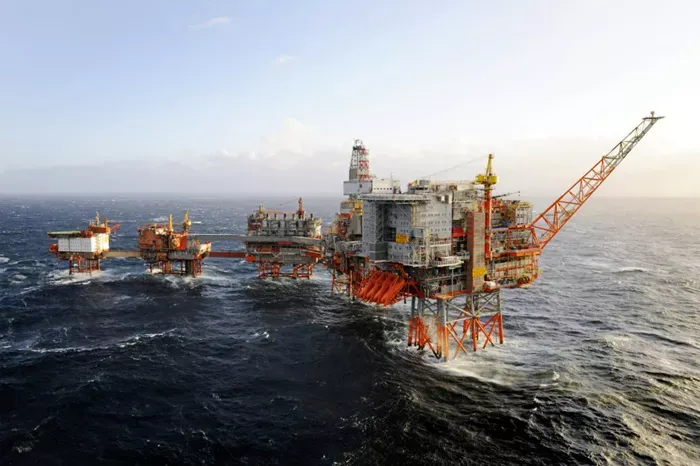
The Norwegian Ministry of Energy has announced the results of the APA 2025 licensing round, offering a total of 57 new production licenses to 19 oil and gas companies operating on the Norwegian continental shelf. This strategic move is aimed at maintaining robust activity in Norway’s oil and gas sector, which is a cornerstone for both national economic growth and energy supply in Europe. The distribution of these licenses covers three key regions: 31 licenses are located in the North Sea, 21 in the Norwegian Sea, and five in the Barents Sea. Each license comes with a binding work program, designed to ensure that companies either develop the acreage or return it to the state if no progress is made. This approach underlines Norway’s commitment to effective resource management and ongoing exploration.
The APA (Awards in Predefined Areas) round specifically targets mature regions where existing infrastructure can support new developments efficiently. The Norwegian parliament has set clear frameworks for such licensing rounds, ensuring that regulatory standards are met and resource utilization remains optimal. The APA area itself is regularly reviewed and expanded based on ongoing petroleum assessments, reflecting the dynamic nature of Norway’s energy policy.
Leading Companies Secure Key Stakes in New Licenses
Nineteen oil companies have been offered shares in one or more of the new production licenses, highlighting the competitive nature of Norway’s petroleum industry. Notably, Equinor emerged as the largest recipient, securing interests in 35 licenses and operatorship roles in 17 of them. Aker BP follows closely, with stakes in 22 licenses and operatorship in 12. DNO Norge was also a significant beneficiary, awarded interests in 17 licenses. Other prominent recipients include Concedo, ConocoPhillips Skandinavia, Harbour Energy, Inpex Idemitsu Norge, Japex, Lime Petroleum, OKEA, OMV, Orlen, Pandion Energy, Petrolia NOCO, Repsol, Source Energy, TotalEnergies, Vår Energi, and Wellesley Petroleum.
Thirteen companies have been granted operatorship in one or more licenses. Operatorship status gives these firms direct responsibility for managing exploration and production activities within their allocated areas. This arrangement is vital for advancing technological innovation and ensuring efficient resource extraction across the Norwegian continental shelf.
Regulatory Framework Ensures Responsible Resource Management
All licensing rounds are conducted within strict guidelines established by the Norwegian parliament. The focus on mature areas with existing infrastructure reflects a pragmatic approach to resource development. By linking each license to a binding work program, authorities ensure that oil companies remain accountable for progressing exploration or development activities. If a company fails to mature its assigned acreage within agreed timelines or standards, the license reverts to state ownership for reassessment.
The APA scheme itself is designed to facilitate continuous exploration while minimizing environmental impacts and optimizing national resource utilization. It covers most open acreage on the Norwegian continental shelf and is expanded annually based on thorough petroleum assessments. This process ensures that Norway remains at the forefront of responsible energy production while supporting employment opportunities and economic value creation.
Strategic Significance for Jobs and Europe’s Energy Security
Norway’s continued commitment to developing its oil and gas resources plays a critical role not only domestically but also internationally. Terje Aasland, Norway’s Minister of Energy, emphasized that this latest round of production licenses represents a significant contribution to sustaining activity within the oil and gas industry. He highlighted its importance for job creation, economic growth, and ensuring energy security for Europe.
As global energy demands evolve amid shifting geopolitical landscapes, Norway’s proactive licensing strategy ensures that its oil and gas sector remains resilient and adaptable. By fostering collaboration among leading industry players and maintaining high regulatory standards, Norway secures its position as a reliable energy supplier while supporting broader European energy needs.