
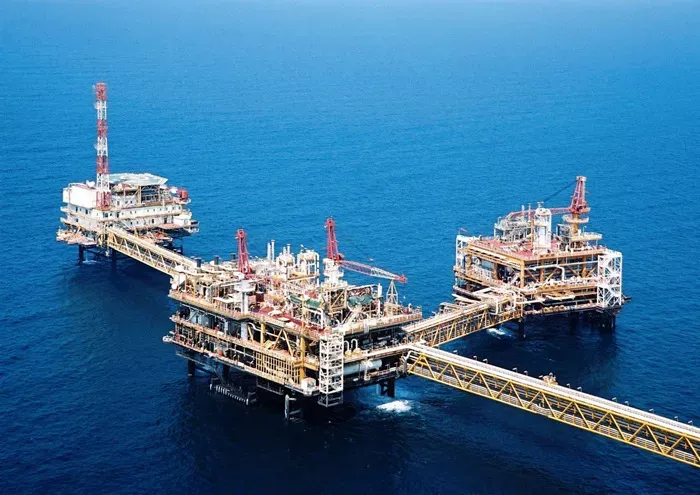
A comprehensive investigation led by the Environmental Investigative Forum (EIF) and European Investigative Collaborations (EIC) has found that oil and gas exploration and production licenses overlap with more than 7,000 protected areas across the globe. This overlap covers approximately 690,000 square kilometers, a region larger than France, and includes some of the world’s most ecologically significant locations. The Great Barrier Reef in Australia, the Maya Biosphere Reserve in Guatemala, and the Lower Ogooué marshes in Gabon are just a few examples of protected sites now facing threats from industrial activities.
Researchers analyzed data from 315,000 sites in the World Database of Protected Areas (WDPA) and matched it with geospatial information for 15,000 oil and gas licenses across 120 countries. Their findings show that more than half of these protected areas are entirely covered by hydrocarbon permits. While only a fraction currently hosts active infrastructure, all overlaps present potential or actual threats to local biodiversity. Organizations such as Leave it in the Ground (LINGO) have called for an immediate global ban on fossil fuel exploration and extraction within protected zones.
The risks extend to crucial ecosystems like rainforests in the Amazon, the Congo Basin, mangrove reserves in Tanzania and Malaysia, as well as key marine protected areas including Europe’s North Sea. Exploration licenses alone cover an area greater than Germany. In many cases, the environmental destruction is already underway, with oil spills polluting soil, water, and air, deforestation progressing rapidly, and endangered species losing their habitats.
International Regulations Fall Short as Oil Majors Continue Operations
Despite international agreements such as the Ramsar Convention on Wetlands and resolutions from organizations like UNESCO and IUCN that recommend bans on hydrocarbon activities in protected areas, enforcement remains weak. Two-thirds of the affected surface area lies within internationally recognized sites such as UNESCO World Heritage locations, IUCN sites, Ramsar wetlands, Indigenous lands, and Natura 2000 areas within the European Union.
A July 2025 UNESCO report revealed that a quarter of World Heritage sites face threats from oil and gas licenses or bid blocks. These sites make up less than one percent of Earth’s land but support one-fifth of its species richness. Scientists warn that ongoing fossil fuel extraction could cause irreversible environmental damage and undermine global biodiversity targets set by frameworks like the Kunming-Montreal Global Biodiversity Framework (GBF), which aims to protect 30% of terrestrial and marine surfaces by 2030.
The GBF lacks an enforcement mechanism similar to those found in climate treaties like the Paris Agreement. As a result, responsibility for compliance falls on individual states, allowing companies to avoid accountability for environmental impacts. Industry growth remains incompatible with ecological transition goals, according to experts.
Oil Companies’ Promises and Reporting Practices Under Scrutiny
The investigation identified 763 oil companies with permits overlapping protected areas. Major players such as Shell, ENI, TotalEnergies, Perenco, Energy Development Oman, Adnoc, and others were ranked by the size of their overlapping production license areas. European companies dominate the top ranks due to extensive offshore operations in regions like the North Sea.
While some companies claim they avoid operating in UNESCO sites, many continue activities in other protected areas. For example, Shell has assets in both the Great Barrier Reef and Wadden Sea World Heritage sites but declined to comment when questioned. TotalEnergies operates projects within sensitive zones such as Murchison Falls National Park in Uganda—a Ramsar site home to numerous endangered species—while ENI holds exploration licenses inside a UNESCO Biosphere Reserve in the United Arab Emirates.
Companies often report only a fraction of their actual overlap with protected areas due to selective methodologies that exclude certain license types or downplay infrastructure footprints. Independent analysis revealed discrepancies between corporate disclosures and actual impacts documented via satellite imagery and field investigations. NGOs have criticized these practices for ignoring broader pollution effects beyond immediate facility perimeters.
In marine environments especially, extraction can cause far-reaching harm through oil spills, underwater noise pollution, and increased ship traffic that disturbs wildlife. Despite claims by oil majors about implementing biodiversity action plans (BAPs), these documents are not publicly available for verification. Field reports indicate negative impacts on wildlife extend well beyond facility boundaries—for example, elephants displaced by construction works have damaged farmland and caused human fatalities near Uganda’s Lake Albert oil project.
Weak National Protections Create ‘Paper Parks’ Vulnerable to Exploitation
National governments play a pivotal role in permitting oil exploration within protected zones. Many countries allow operations under national regulations regardless of international designations or local community consent. This situation has led to what experts term ‘paper parks’—protected areas recognized on paper but lacking effective safeguards against industrial encroachment.
The United Kingdom tops the list for production license overlaps with protected areas due to offshore exploitation in the North Sea. Recent investigations show hundreds of tons of oil have spilled into UK marine reserves over the past decade while new permits continue to be issued within protected zones. Other heavily affected countries include Australia—with over 115,400 square kilometers at risk—Brazil—where gas exploration threatens Indigenous lands—and Russia.
In Brazil’s Maranhão state, for example, a gas license was granted over three-quarters of Krenyê Indigenous Land despite legal prohibitions against fossil fuel extraction on Indigenous territories. The local community was not consulted prior to concession approval. In Central African Republic and Republic of Congo, large swaths of protected lands have been opened up for oil exploration by foreign corporations amid political instability or autocratic rule.
This global pattern highlights significant disparities: biodiversity hotspots most vulnerable to exploitation are concentrated in tropical regions of the Global South while much of resource extraction is driven by companies based in richer nations or China. Since 2015, almost half of new oil and gas resources were discovered outside North America and Europe—in Latin America, Asia, Africa—placing further strain on fragile ecosystems where regulatory oversight is weakest.
Despite mounting evidence of environmental harm and insufficient corporate pledges or policy enforcement worldwide, drilling continues unabated. The future survival of natural wonders and countless endangered species hangs in balance as governments and industries prioritize resource extraction over conservation.