
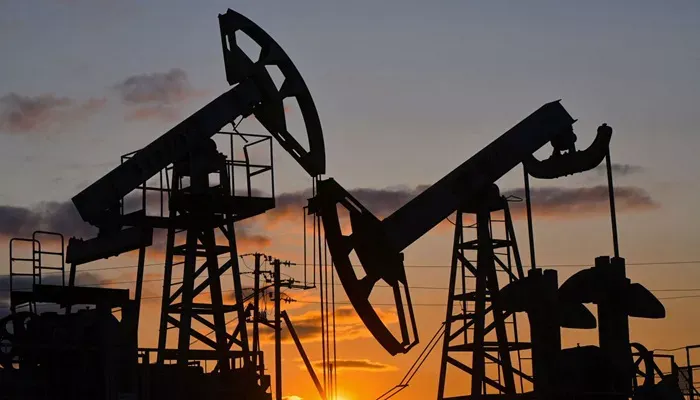
Recent developments in Iran have sparked significant anxiety across global markets, with the situation deteriorating rapidly in the country. Demonstrators have taken to the streets, prompting a strong response from both domestic authorities and international figures. In a decisive move, U.S. President Donald Trump announced the cancellation of all scheduled meetings with Iranian officials. He further expressed support for the protesters, promising aid to those advocating for change within Iran.
The actions of the U.S. administration have added to the uncertainty surrounding Iran’s future political and economic stability. As tensions mount, market analysts and policymakers are closely monitoring the evolving crisis. Many fear that prolonged unrest could impact not only regional security but also broader international interests.
Oil Supply Fears Drive Market Volatility
Iran holds a critical position in global energy markets as a leading member of OPEC and one of the world’s top oil producers. The recent turmoil has raised concerns about possible disruptions to the country’s oil exports. Investors worry that any interruption in Iranian supply could destabilize an already sensitive energy market, which is highly dependent on consistent production levels from major exporters.
As news of escalating protests and government responses spread, traders responded by adjusting their positions in oil futures. The anticipation of tighter supply contributed to heightened volatility, with prices moving sharply higher during trading sessions.
Notable Surge in Crude Oil Prices Reflects Market Sentiment
On Tuesday, crude oil prices experienced a significant jump as investors reacted to mounting instability in Iran. New York oil futures for February delivery climbed by $1.65 per barrel, representing a 2.8% increase to close at $61.15. Meanwhile, Brent oil futures for March delivery saw a rise of $1.60 per barrel, or 2.5%, ending the day at $65.47.
These notable gains underscore the sensitivity of global energy markets to geopolitical events in key producing countries. Analysts suggest that continued unrest could lead to further price volatility in the days ahead, especially if additional threats to supply emerge or diplomatic efforts fail to ease tensions.
Global Implications
The situation in Iran remains fluid, and its impact on global oil prices is likely to persist as long as uncertainty continues. Market participants are watching closely for any signals regarding potential resolutions or escalations in the crisis. For now, investors remain cautious, balancing hopes for stability against fears of further disruption.
Energy experts emphasize that developments in Iran could serve as a bellwether for wider market trends, affecting not only oil but also related sectors such as transportation and manufacturing. Governments and businesses worldwide are urged to prepare for possible shifts in energy costs as geopolitical risks evolve.