
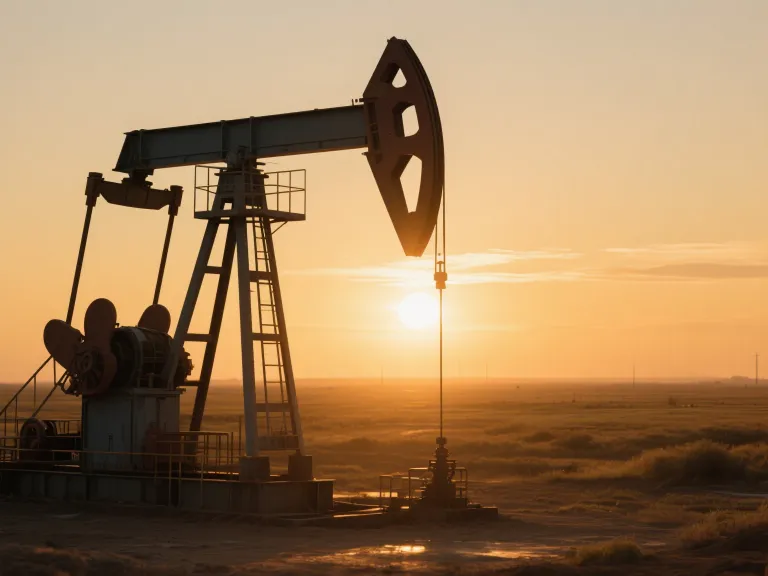
Oil prices saw a modest recovery at the start of the week, reversing some of the losses incurred in previous sessions, after the Organization of the Petroleum Exporting Countries and its allies (OPEC+) announced a slower pace of production hikes beginning in October. The decision comes in response to concerns over weakening global demand and follows a period of volatility driven by economic indicators and market sentiment.
Market Overview
In early Monday trading, Brent crude futures rose by 23 cents, or approximately 0.4%, reaching $65.73 per barrel by 2213 GMT. Meanwhile, U.S. West Texas Intermediate (WTI) crude increased by 21 cents, or about 0.3%, to $62.08 per barrel. These gains offer partial relief after both benchmarks suffered declines exceeding 2% last Friday, triggered by a disappointing U.S. jobs report that cast doubt on future energy consumption.
Over the course of last week, Brent and WTI experienced cumulative losses of more than 3%, reflecting investor apprehension about the trajectory of global economic recovery and its impact on oil demand.
OPEC+ Production Strategy Adjustment
On Sunday, OPEC+ confirmed that eight member countries had reached an agreement to increase oil output by 137,000 barrels per day starting in October. This increment is significantly lower than previous monthly hikes—555,000 barrels per day for September and August, and 411,000 barrels per day for July and June—marking a notable shift in the group’s approach to supply management.
The coalition’s decision to slow production growth underscores its responsiveness to current market conditions. Since April, OPEC+ has been gradually restoring output following years of deep cuts implemented to stabilize prices amid pandemic-induced disruptions. The latest move reflects caution as the group anticipates potential headwinds for demand during the approaching northern hemisphere winter months.
Market Factors Influencing Oil Prices
The recent volatility in oil prices can be attributed to multiple factors. Chief among them is uncertainty regarding global economic performance, particularly in light of weak employment data from the United States—a key driver of energy consumption worldwide. The prospect of slower economic growth raises concerns about excess supply and inventory buildup, especially as colder weather typically dampens fuel usage.
Additionally, Saudi Arabia—OPEC’s de facto leader—has played a central role in shaping production policy. The kingdom has been at the forefront of efforts to regain market share while balancing risks associated with an oversupplied market. Saudi officials have expressed determination to maintain stability and avoid exacerbating price declines that could result from unchecked output increases.
Implications for Global Energy Markets
The recalibration of OPEC+ output strategy is likely to influence broader energy markets over the coming months. Analysts suggest that while a slower pace of production growth may help prevent a supply glut, it also signals caution about near-term demand prospects amid lingering pandemic uncertainties and fluctuating economic indicators.
Market participants will closely monitor subsequent meetings and statements from OPEC+, as well as developments in major economies such as China and the United States, which together account for a significant portion of global oil consumption.
Outlook and Industry Response
Industry experts remain divided on whether current measures will be sufficient to support prices should demand continue to weaken into winter. Some anticipate further adjustments from OPEC+ if market conditions deteriorate, while others believe that gradual increases will help balance supply without triggering sharp price swings.
As energy markets navigate this period of transition, stakeholders are advised to remain vigilant regarding policy shifts and macroeconomic trends that could shape oil price trajectories in the months ahead.
Related topics: