
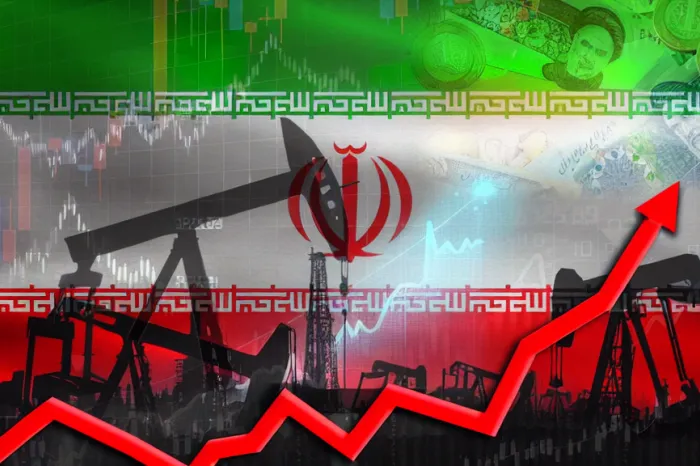
WTI crude oil prices have experienced significant volatility recently due to escalating tensions and hopeful ceasefire talks between the U.S. and Iran. The ongoing conflict in the Middle East, including the closure of the Strait of Hormuz, a key global oil shipping route, has caused sharp increases in oil prices. However, recent developments suggesting a potential ceasefire have led to a pullback in prices.
In early June 2026, crude oil prices surged as military actions intensified. Iran closed the Strait of Hormuz and threatened vessels attempting passage, while the U.S. launched additional strikes on Iranian targets. These events pushed WTI crude prices above $90 per barrel, with Brent crude briefly touching $100. The closure of the Strait of Hormuz disrupted approximately 15 million barrels per day of global oil supply, creating a significant risk premium in the market.
The heightened geopolitical risk led to a strong rally in energy stocks such as Exxon Mobil, whose shares rose sharply amid rising crude prices. Exxon’s production growth in regions like Guyana and the Permian Basin has helped it benefit from these market conditions. Despite short-term gains driven by high oil prices, analysts caution that long-term risks remain, including commodity price swings and regulatory challenges.
By mid-June, optimism over a ceasefire between the U.S. and Iran began to ease oil prices back into the $80 range. President Donald Trump announced that a ceasefire agreement was expected imminently and that the Strait of Hormuz would reopen to all traffic following its signing. This news caused Brent crude to fall to $87.33 per barrel and WTI crude to $84.88 per barrel, marking their lowest levels in several months.
Market analysts warn that if ceasefire talks fail or delays continue, oil prices could spike again toward $120 or higher by late summer due to persistent supply constraints combined with seasonal demand increases. The International Energy Agency has highlighted that global oil inventories have been falling sharply and that markets remain undersupplied despite efforts by OPEC+ to raise production.
Looking ahead, investors are weighing these mixed signals carefully. The volatility in WTI crude is influenced not only by geopolitical events but also by supply factors such as rising U.S. production forecasts and weak Chinese demand. The U.S. Energy Information Administration recently raised its 2026 crude output estimate, while China’s crude imports have dropped to an eight-year low.
For investors seeking exposure to oil price movements, various options exist including futures-based funds tracking WTI crude directly or equity funds focused on exploration and production companies. Each choice carries different risks and rewards depending on expectations for price trends and geopolitical stability.
In summary, WTI crude oil prices remain highly sensitive to developments in Middle East geopolitics and global supply-demand balances. While recent hopes for peace have brought some relief to markets, underlying tensions and structural factors suggest continued price swings may persist through 2026.
