
The natural gas industry is currently navigating a complex landscape shaped by global market fluctuations, geopolitical tensions, and evolving economic development priorities. Recent analyses highlight contrasting trends between oil tightness and natural gas oversupply, which are influencing company valuations and investment narratives across the sector.
In the United States, Barclays recently maintained its Equal Weight rating on Range Resources, a key player in natural gas production. The bank noted that while oil markets are experiencing tighter supply conditions due to dwindling inventories and reduced spare capacity from OPEC, the natural gas market faces near-term oversupply challenges. This gas glut is driven in part by muted growth in U.S. supply and regional infrastructure constraints, particularly in Appalachia where Range Resources operates extensively. Despite these pressures, Range Resources reported strong financial results for the first quarter of 2026, with over $1 billion in revenue and significant net income, supported by ongoing production growth and increased dividends. However, Barclays cautions that prolonged low gas prices could pressure cash flow if operational costs rise.
Meanwhile, on the international stage, Africa is positioning natural gas as a cornerstone for economic growth and energy security. At the West Africa Gas Summit held in Accra, Ghana, Akachukwu Nwokedi of the International Gas Union emphasized natural gas’s role in driving industrialization and economic diversification across the continent. He highlighted that natural gas not only powers industries and manufacturing but also expands energy access and improves living standards through cleaner domestic fuel options. The IGU has committed to supporting African countries by fostering knowledge exchange, policy dialogue, and international partnerships to unlock investment opportunities and enhance regional collaboration in the gas sector.
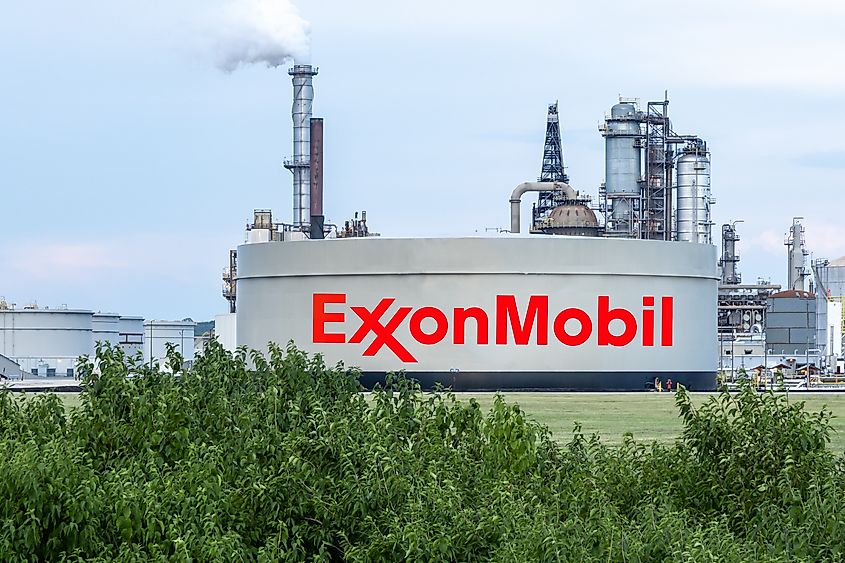
The U.S. oil and gas industry continues to be dominated by major integrated companies such as ExxonMobil, Chevron, and ConocoPhillips. These giants have expanded through significant mergers and acquisitions over recent years, reshaping the industry’s competitive landscape. ExxonMobil leads with a market capitalization around $450 billion after acquiring Pioneer Natural Resources in 2024, strengthening its presence in prolific shale regions like the Permian Basin. Chevron follows closely behind with strategic purchases including Hess Corporation, while ConocoPhillips has focused on upstream operations through its acquisition of Marathon Oil.
Midstream companies specializing in natural gas transportation also play a critical role in the energy ecosystem. Williams Companies and Kinder Morgan manage extensive pipeline networks that move vast quantities of natural gas across the United States. Their infrastructure supports regional demand and connects production sites to end-users, highlighting the importance of logistics in balancing supply dynamics.
Looking ahead, the natural gas sector faces both opportunities and risks. While global oil tightness may support higher energy prices overall, persistent natural gas oversupply could challenge producers’ profitability if market imbalances continue. Investments in infrastructure improvements and regional cooperation will be essential to unlock the full potential of natural gas as a cleaner energy source that contributes to economic development worldwide.
