
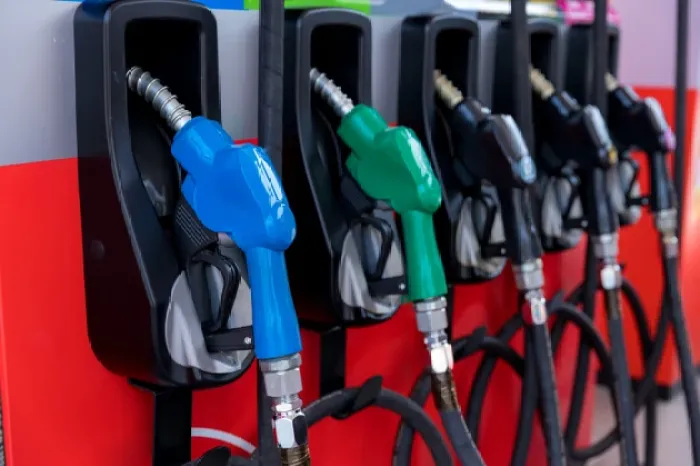
Arkansas drivers are currently paying less for gasoline compared to the record highs seen four years ago, though prices remain notably higher than last year. The statewide average price for regular unleaded gasoline stands at $3.74 per gallon this week, down by 12 cents from the previous week. Despite this recent drop, prices are still 97 cents higher than they were at the same time last year. Four years ago, Arkansas experienced an all-time high gasoline price of $4.54 per gallon during this period. Within the state, gas prices vary by metro area, with Jonesboro offering the lowest average price at $3.60 per gallon and Texarkana the highest at $3.74 per gallon.
Nationally, the average price for gasoline has declined for the third consecutive week, now sitting at $4.12 per gallon. AAA reports that gas prices usually peak around this time of year but warns that ongoing uncertainties related to the Strait of Hormuz—a critical global oil shipping route—could lead to increased fuel costs in the near future. Arkansas remains among the ten states with the lowest gasoline prices in the United States.
The broader U.S. market has seen gasoline prices influence inflation rates significantly in recent months. In May, energy costs rose sharply due to geopolitical tensions in the Middle East, particularly conflicts affecting oil production and shipping routes. The Consumer Price Index (CPI) reportedly increased by an estimated 4.2 percent over twelve months through May, marking the fastest inflation pace in three years. Gasoline prices alone jumped 8.8 percent during May, reaching an average of $4.60 per gallon nationwide.
These rising fuel costs have contributed to overall inflation outpacing wage growth, putting financial pressure on American households as many turn to savings to cover expenses. Economists warn that if inflation continues to rise faster than wages, consumer spending could slow down, potentially impacting economic growth in the latter half of the year.
Adding to concerns about fuel availability and pricing, oil industry executives have recently cautioned that gasoline prices may climb further as inventories drop to critical levels. This warning complicates efforts by policymakers to manage inflation and stabilize the economy. Although some recent ceasefires have helped ease tensions and temporarily reduce prices, experts emphasize that any renewed instability in key oil-producing regions could quickly reverse these gains.
Despite these challenges, some economists remain cautiously optimistic that inflation may have peaked in May if geopolitical conditions remain stable. However, they stress that continued monitoring is essential as oil price fluctuations directly affect consumer costs across multiple sectors.
In summary, while Arkansas benefits from relatively lower gasoline prices compared to previous years and many other states, national trends highlight ongoing volatility driven by international events and supply concerns. Consumers and policymakers alike face uncertainty as fuel costs continue to play a major role in shaping inflation and economic conditions across the country.