

Brent crude oil prices have recently experienced significant fluctuations, dropping to an eight-week low as geopolitical tensions ease and market forecasts adjust. The recent developments surrounding potential peace agreements between the United States and Iran have notably influenced the oil market, alongside evolving supply and demand projections.
On June 12, 2026, Brent crude oil prices declined sharply following announcements that the U.S. had called off planned strikes on Iran and that a peace deal was close to being finalized. This announcement sparked optimism for de-escalation in the Middle East, one of the world’s most critical oil-producing regions, leading to a drop in prices. The Iranian semi-official news agency Mehr revealed details of a draft agreement that included reopening the Strait of Hormuz for shipping within 30 days, U.S. troop withdrawal from areas surrounding Iran, lifting naval blockades, and the removal of sanctions on Iranian oil exports. These measures could increase global oil supply and reduce risks associated with conflict-driven supply disruptions.
Despite these positive signals, analysts remain cautious about the durability of such agreements. The draft document still requires approval from both U.S. and Iranian authorities, and some experts question whether Washington will accept concessions as broad as those proposed. This uncertainty contributes to ongoing volatility in Brent crude prices.
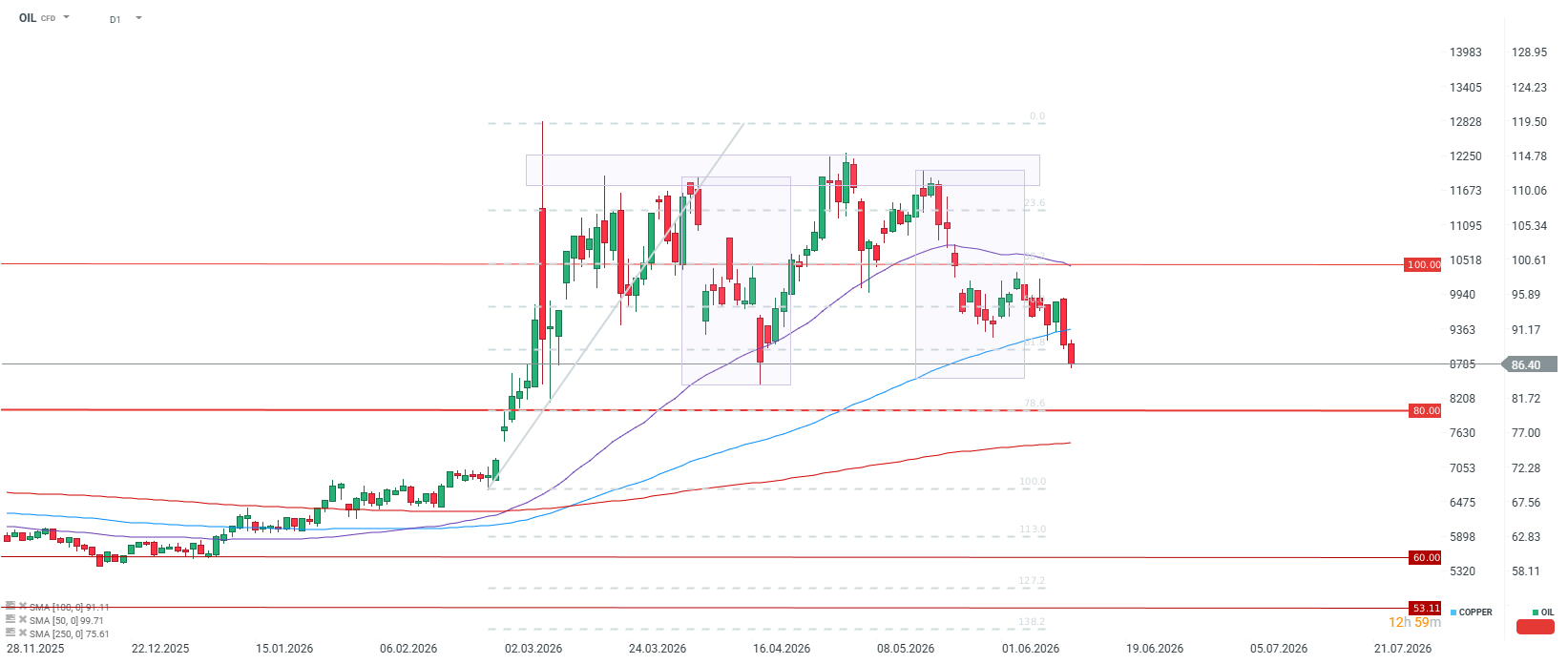
Recent data shows that Brent crude oil was trading below $90 per barrel, marking a substantial decrease from prices exceeding $107 just a month ago. Compared to a year ago, when Brent was around $71 per barrel, prices remain significantly higher but are under pressure due to the shifting geopolitical landscape and market expectations. The price movements reflect the complex interplay between supply factors—such as potential increases from Iran’s return to the market—and demand considerations influenced by concerns over global economic growth and inflation.
Market watchers also highlight the role of U.S. shale production in moderating price swings by providing additional supply flexibility. However, ongoing adjustments in production policies under various administrations continue to impact future supply forecasts. Meanwhile, the U.S. Strategic Petroleum Reserve remains a key emergency tool but is currently at historically low levels, limiting its ability to buffer against sharp price spikes.
Overall, Brent crude oil prices are responding dynamically to developments in international diplomacy and economic forecasts. The prospect of easing tensions in the Middle East has eased fears of supply disruptions, while concerns over demand growth amid inflationary pressures keep markets cautious. Investors and consumers alike are watching closely as these factors continue to shape one of the world’s most important energy benchmarks.