
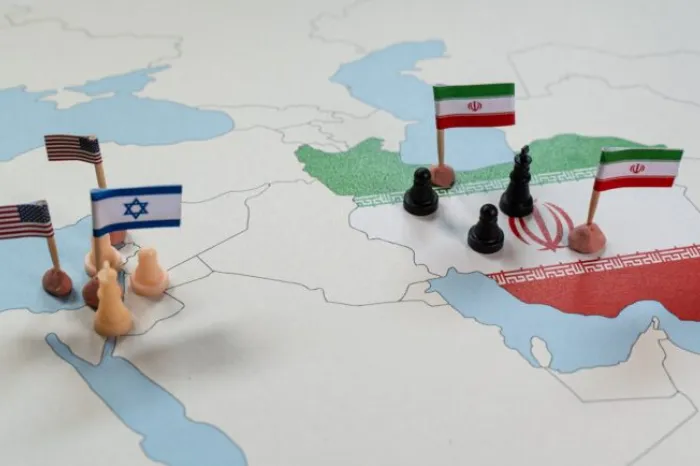
WTI crude oil prices experienced notable volatility as ongoing tensions in the Middle East continue to impact global energy markets. After a strong nearly 5% gain earlier in the week, WTI prices dipped slightly during Asian trading to around $91.80 per barrel. The market remains sensitive to supply risks stemming from Iran’s suspension of indirect talks with the United States and potential regional moves to restrict critical shipping routes such as the Strait of Hormuz and Bab al-Mandeb.
The Strait of Hormuz is a vital chokepoint, handling about 20% of the world’s seaborne crude oil shipments and nearly a quarter of global liquefied natural gas exports. Any disruption here could severely affect global energy supplies, leading to increased shipping costs, insurance premiums, and ultimately higher oil prices. Despite these risks, U.S. President Donald Trump expressed cautious optimism by confirming that communication channels with Iran remain open and suggested that an agreement to restore normal navigation through the Strait could be reached soon.
Market analysts note that while geopolitical supply concerns dominate price movements, demand factors are also influencing the outlook. Recent manufacturing data from Asia indicates slowing industrial activity, which may reduce crude oil demand in one of the world’s largest import regions. Financial institutions like Goldman Sachs forecast moderate prices for Brent and WTI crude later this year but warn that escalating supply disruptions could push prices higher than expected.
U.S. crude exports reached record levels in May, hitting 5.6 million barrels per day as refiners in Asia and Europe sought alternatives amid Middle East supply uncertainties. The significant discount of WTI crude relative to Brent has made U.S. oil more attractive internationally, contributing to this export surge. However, exports are expected to decline in June due to easing tensions and narrowing price differentials.
Oil prices showed mixed reactions following recent comments from President Trump about ongoing U.S.-Iran negotiations. While his statements suggested progress, reports indicated that Iran had suspended indirect talks, keeping uncertainty high. Brent crude futures fell 1.6% to $93.46 per barrel, with WTI dropping similarly to around $90.73 per barrel. Market watchers emphasize that any concrete breakthroughs or setbacks in peace talks will heavily influence whether the current risk premium on oil prices remains or diminishes.
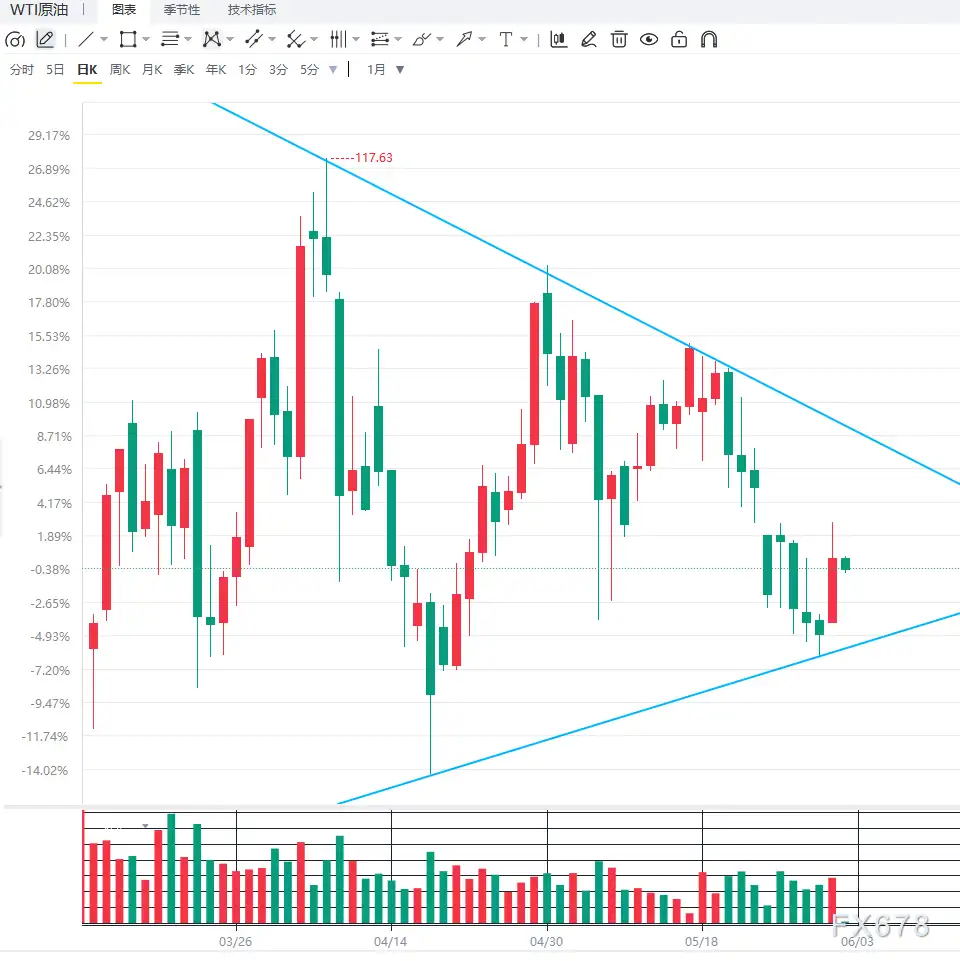
Technically, WTI crude has established a short-term uptrend above key support levels near $85 and $88, with resistance around $92 and $95. Analysts caution that rapid price gains may trigger short-term profit-taking but maintain an overall bullish outlook if geopolitical tensions persist.
In summary, WTI crude oil prices are navigating between supply concerns linked to Middle East instability and weakening demand signals from major economies. The situation remains fluid as investors closely monitor diplomatic developments and physical tanker movements through critical maritime routes. Until clear progress emerges from negotiations or regional dynamics change substantially, elevated price volatility is expected to continue in global oil markets.