
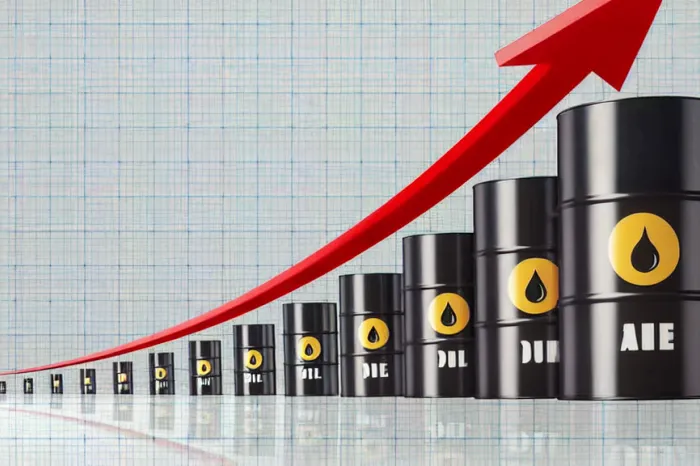
Oil prices experienced a significant increase as conflicts in the Middle East intensified, raising concerns over supply disruptions. The recent military actions by Israel, advancing deeper into Lebanon, and U.S. strikes targeting Iranian drone facilities have heightened fears of a broader regional escalation rather than a peaceful resolution.
In early Asian trading, West Texas Intermediate (WTI) crude surged by over 3% to reach approximately $90.22 per barrel, while Brent crude rose similarly to about $94.18 per barrel. These gains came after Israeli forces crossed the Litani River in Lebanon and captured a strategic fortress known as Beaufort Castle. Israeli Prime Minister Benjamin Netanyahu has ordered an expansion of military operations against Hezbollah, Iran’s ally in Lebanon.
Simultaneously, the U.S. Central Command confirmed defensive strikes on Iranian radar and drone command sites following Iran’s downing of a U.S. MQ-1 drone operating over international waters. These actions have undermined recent diplomatic efforts, including peace talks hosted by the U.S. between Israeli and Lebanese officials, which were previously described as productive but now face uncertainty.
The Strait of Hormuz remains a critical factor influencing oil markets amid these tensions. Iran has effectively closed this vital shipping lane for global oil and gas flows since late February following conflicts with U.S. and Israeli forces. Recent reports indicate Iran has laid more mines in the strait, complicating efforts to reopen it safely and prolonging supply risks.
Earlier this month, Iran proposed a phased roadmap aimed at de-escalating hostilities, including reopening the Strait of Hormuz and freezing its nuclear program for 15 years. This proposal was communicated through Pakistan to the United States, offering a potential path toward easing tensions and stabilizing oil shipments. However, no formal agreements have been reached yet, leaving markets cautious.
Economic data from China has added complexity to the market outlook. Sluggish factory activity and slowing exports have raised concerns about weaker oil demand from the world’s second-largest economy. Despite these demand-side pressures, supply concerns driven by geopolitical risks in the Middle East remain dominant in setting oil price trends.
Financial institutions like Goldman Sachs have flagged that weaker demand in China and Europe could pose downward risks to oil prices later in the year. Nevertheless, persistent disruptions around the Strait of Hormuz and ongoing conflict make it likely that supply constraints will continue to support elevated oil prices for the foreseeable future.
Investors and market watchers are closely monitoring developments related to ceasefire negotiations between the U.S., Iran, Israel, and Hezbollah. Any progress on reopening the Strait or extending ceasefires could influence oil prices significantly. Meanwhile, continued military escalations or further mining activity in key waterways could drive prices higher, underscoring the fragile balance between geopolitical risk and global energy markets.