
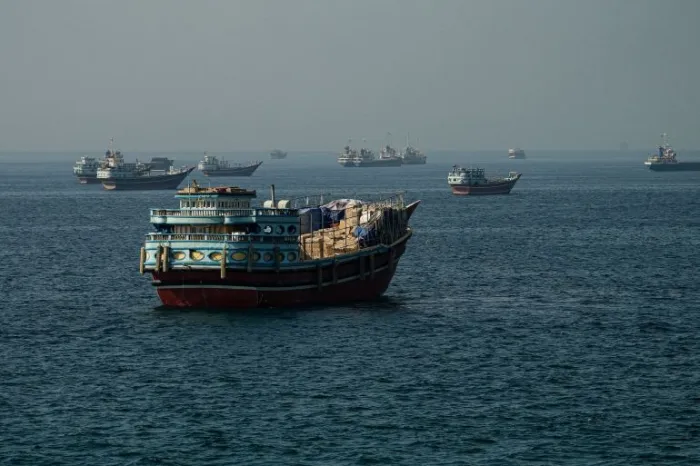
Iran has put forward a fresh 30-day proposal aimed at easing tensions in the Persian Gulf by reopening the Strait of Hormuz, a critical artery for global oil shipments. This move signals a potential reduction in regional conflict and has already contributed to a notable decline in West Texas Intermediate (WTI) crude oil prices. The proposal was relayed to the United States through Pakistan, which is acting as a mediator in ongoing talks.
Three-Phase Plan to Reduce Tensions
The plan is structured into three distinct phases. The initial phase centers on de-escalation efforts, including reopening the Strait of Hormuz and lifting the U.S. blockade on Iranian ports. The second phase commits Iran to freezing its nuclear program by restricting uranium enrichment for up to 15 years. These steps, if realized, could dramatically reduce geopolitical risks that have historically kept oil prices elevated.
Importance of the Strait of Hormuz
The Strait of Hormuz stands as one of the most crucial chokepoints for oil transportation worldwide, with a significant portion of global oil shipments passing through this narrow waterway. Any disruption there often triggers sharp spikes in oil prices due to fears of supply shortages. Therefore, Iran’s offer to reopen the strait has been met with cautious optimism within energy markets.
Market Reactions and Price Impact
Following Iran’s announcement, market sentiment shifted rapidly. The likelihood that former President Trump would announce lifting the Hormuz blockade dropped from 40% to 29.5%, reflecting increased trader confidence in Iran’s diplomatic initiative. This change helped push WTI crude oil prices down moderately but meaningfully, signaling relief among investors who had factored ongoing tensions into pricing.
Future Outlook and Global Implications
Attention now turns to responses from both the U.S. and Iranian governments, alongside statements from Pakistan’s mediators. The official acceptance or rejection of this roadmap will be crucial in determining whether this diplomatic effort can bring stability to the region and ease pressure on global energy markets.
The weeks ahead are critical as negotiations either progress or stall. A successful reopening of the Strait of Hormuz could usher in more stable energy prices and improved geopolitical relations. Conversely, failure to reach an agreement might prolong uncertainty and keep oil prices elevated.
This development highlights the enduring influence of geopolitical dynamics on global oil markets, particularly WTI crude oil prices. Stakeholders worldwide remain watchful given these shifts’ significant impact on energy security and economic stability.