
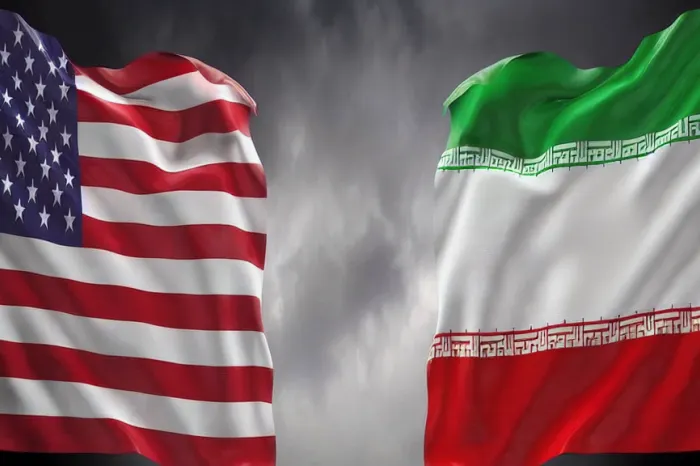
Global oil markets have been rattled this week as escalating military tensions between the United States and Iran in southern Iran stirred fresh concerns over supply stability. Brent crude prices jumped sharply, reflecting market anxiety about potential disruptions, while U.S. West Texas Intermediate (WTI) crude experienced volatility influenced by trading irregularities linked to the Memorial Day holiday.
The U.S. military recently conducted strikes targeting Iranian vessels accused of laying mines and setting up missile launch sites. These operations were described as protective measures to shield American forces from perceived Iranian threats. This surge in hostilities coincides with delicate negotiations aimed at easing tensions around the strategic Strait of Hormuz, a crucial maritime corridor responsible for transporting a significant portion of the world’s oil and liquefied natural gas.
In response to these military actions, Brent crude futures climbed roughly 2%, pushing prices above $98 per barrel during Asian market hours. Meanwhile, WTI futures for July delivery showed fluctuating patterns due to timing differences in contract settlements. Analysts have noted that global oil inventories continue to decline steadily. According to UBS, combined inventory draws in March and April reached 246 million barrels, with anticipated production shortfalls expected to surpass one billion barrels by the end of May. This tightening supply underscores the fragility of current market conditions.
Parallel to the rising military tensions, peace negotiations are underway in Doha. Iranian delegates and Qatari officials are discussing a memorandum of understanding aimed at halting hostilities and reopening shipping lanes through the Strait of Hormuz incrementally. However, significant obstacles remain, including Iran’s insistence on uranium enrichment rights and ongoing regional conflicts involving Israel and Hezbollah. U.S. authorities caution that any agreement will require time to implement fully, emphasizing that a comprehensive deal is essential for meaningful progress.
Market watchers stress that even if a peace deal materializes, reopening the Strait of Hormuz and restoring normal oil flows will be a gradual process. Current disruptions have already tightened global supply chains, pushing energy prices higher worldwide. Recent ship-tracking data reveals only limited liquefied natural gas tankers passing through the Strait en route to South Asia, indicating some easing but no complete resolution yet.
The combination of escalating military confrontations, complex diplomacy, and fragile negotiations continues to inject uncertainty into global oil markets. Traders remain vigilant amid unfolding developments, aware that sudden changes could swiftly influence prices globally. This situation highlights how intricately geopolitical tensions remain tied to energy security and broader economic stability across the world.