
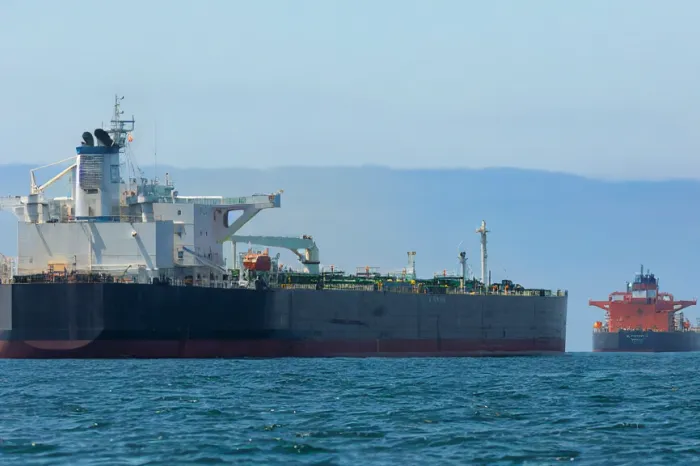
Oil prices experienced a significant decline as hopes grew for a peace agreement between the United States and Iran that could end the ongoing conflict and reopen the vital Strait of Hormuz. The strait is a key shipping route through which about 20% of the world’s oil supply passes, and its closure since February has caused major disruptions in global energy markets.
On Sunday, US President Donald Trump announced that an agreement with Iran had been “largely negotiated,” signaling progress in talks that could bring a ceasefire and renewed oil flows through the strait. Despite this optimism, Trump also cautioned his negotiating team not to rush into a deal, emphasizing the importance of getting the terms right. This mixed messaging contributed to volatility in oil markets but did not overshadow the overall positive sentiment.
Brent crude, the global benchmark for oil prices, dropped more than 5%, falling below $100 per barrel to around $98. Meanwhile, West Texas Intermediate (WTI) crude fell nearly 6%, trading near $91. The price falls marked a sharp reversal from the elevated levels seen since the conflict began in late February, when prices surged over 30% due to supply concerns.
The conflict has severely impacted energy supplies as Iran imposed a blockade on vessels passing through the Strait of Hormuz in retaliation to US and Israeli military actions. This blockade has drastically reduced oil exports from the Persian Gulf region and contributed to record depletion of global oil inventories. Although some Gulf states like Saudi Arabia and the United Arab Emirates have tried to compensate by increasing pipeline exports that bypass the strait, these measures have not fully offset the disruption.
Market analysts warn that even if a deal is finalized, it will take time for oil flows to return to pre-conflict levels. Repairing damaged infrastructure, clearing mines from shipping lanes, and rebuilding depleted stockpiles could take weeks or months. Patrick De Haan, head of petroleum analysis at GasBuddy, noted that gasoline prices are likely to remain elevated until shipments through the strait resume at scale.
The proposed peace deal reportedly includes a 60-day extension of the current ceasefire and aims to address nuclear concerns by requiring Iran to give up enriched uranium. Iranian officials have confirmed that while a memorandum of understanding is near completion, detailed discussions on nuclear issues are still ongoing. Israeli Prime Minister Benjamin Netanyahu has stressed that any final agreement must eliminate Iran’s nuclear threat.
Financial markets responded positively to the news, with Asian stock indices rising sharply. Japan’s Nikkei 225 index gained nearly 3%, reflecting relief among countries heavily dependent on Gulf energy supplies. However, uncertainty remains as final approval of the deal could take several days, and geopolitical risks persist until traffic through the Strait of Hormuz is reliably restored.
Overall, while optimism about a US-Iran peace deal has brought short-term relief to oil markets, experts caution that supply disruptions may linger well into 2027. The situation remains fluid as negotiations continue and market participants weigh both progress and potential setbacks.