
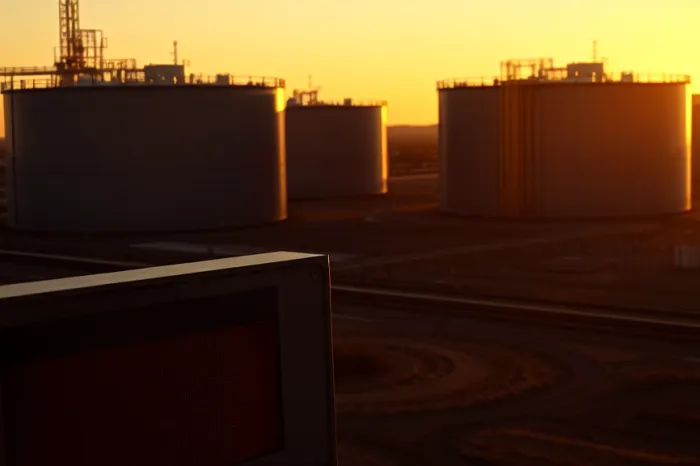
WTI crude oil prices have slipped below the $92 mark following a period of reduced geopolitical tension sparked by a US-Iran ceasefire agreement. This truce, which has held steady for over seven weeks, has significantly eased concerns surrounding the Strait of Hormuz—a critical maritime passage that channels nearly 20% of the world’s oil exports. The easing of risks associated with this strategic chokepoint has contributed to a calmer outlook for both oil and natural gas markets, though uncertainties linger due to persistent supply challenges and regional instability.
The recent decline in WTI crude coincided with diplomatic progress toward reopening the Strait of Hormuz, an area long known for conflict and disruption. On May 24, WTI crude experienced a sharp drop of around 5%, retreating to approximately $72 per barrel after briefly touching $76. This steep correction reflected hedge funds unwinding speculative positions that had bet on ongoing regional turmoil. Market participants view the potential reopening of this vital shipping route positively, as it could relieve supply bottlenecks and help stabilize prices that had previously surged.
Despite these encouraging developments, analysts warn that the oil market remains fragile and susceptible to sudden swings. Brent crude prices also eased to near $95.79, indicating a shift toward neutral or bearish momentum. In contrast, natural gas futures edged higher to $2.885 amid steady demand and supportive technical signals. Supply-side pressures persist as repair efforts continue in the region and demand from emerging economies remains subdued.
Technical indicators reinforce this cautious market sentiment. WTI crude is currently trading below its 50-day exponential moving average (EMA50), signaling downward momentum. The Relative Strength Index (RSI), while recovering from oversold territory, still points to the possibility of further declines in the short term. Traders are closely monitoring upcoming US inventory data alongside OPEC+ policy announcements, both expected to play pivotal roles in shaping near-term price movements.
Beyond the energy sector, gold prices surged past $4,550 as investors sought refuge in safe-haven assets amid optimism about a potential US-Iran framework deal. This diplomatic progress could unlock increased Iranian oil exports, potentially easing global inflationary pressures by reducing energy costs. However, experts caution that any breakdown in negotiations could quickly reverse these gains and push commodity prices higher once again.
In conclusion, recent diplomatic breakthroughs have provided some relief to energy markets by lowering risks tied to the Strait of Hormuz. Nonetheless, elevated uncertainty remains as traders keep a close eye on evolving geopolitical developments that could reignite volatility in WTI crude oil prices and broader commodity markets.