
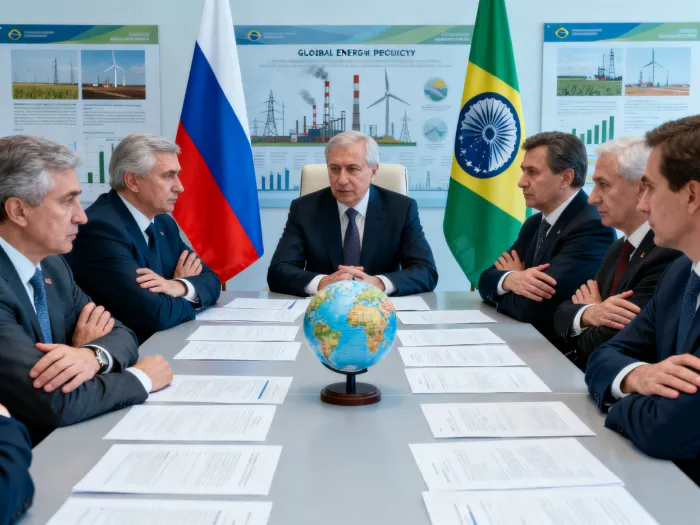
In a recent statement, former US President Donald Trump revealed that Indian Prime Minister Narendra Modi has pledged India will stop buying oil from Russia. Trump shared this information during a public address, referencing conversations with Modi about India’s energy imports. According to Trump, Modi described the move as a significant step in aligning with international efforts to pressure Russia economically. Trump highlighted his dissatisfaction with India’s ongoing purchase of Russian oil, stressing the importance of global unity in reducing financial support for Russia through energy transactions.
Trump’s comments were reported by Reuters and have sparked discussions regarding the potential impact on global energy markets and diplomatic relations. While he praised Modi’s assurance, Trump emphasized that this shift represents a major change in India’s foreign policy approach concerning Russia. The statement comes amid increased scrutiny on countries maintaining trade ties with Moscow following the escalation of the conflict in Ukraine.
US Government’s Push for Broader International Action Against Russian Oil
Following Trump’s remarks, he stated that the next objective for the US government is to persuade China to also halt its purchases of Russian oil. The United States has long urged its allies and key global players to reduce economic engagement with Russia, particularly in the energy sector, which is a critical source of revenue for Moscow. The Biden administration has implemented several measures aimed at curbing Russian oil exports and has called on other nations to follow suit.
Trump indicated that diplomatic efforts would intensify in attempts to convince Chinese leadership to reconsider their energy imports from Russia. He described India’s alleged commitment as an example for other major economies, expressing hope that similar agreements could be reached with China. The prospect of China joining these efforts could have significant consequences for Russia’s financial stability and the broader geopolitical landscape.
Uncertainty Surrounds Modi’s Alleged Pledge and Official Responses
Despite Trump’s statements regarding Modi’s commitment, official confirmation from Indian authorities remains absent. The Indian Embassy in Washington did not respond to requests for comment on whether Prime Minister Modi had indeed made such a promise to Trump. This lack of response has led to speculation over the veracity of Trump’s claims and whether India intends to alter its current policy on Russian oil imports.
India has historically maintained a pragmatic approach toward its energy security, often balancing strategic partnerships with both Western countries and Russia. The ambiguity surrounding Modi’s position raises questions about future developments in India’s foreign policy and energy strategies. Analysts note that any substantial change would require careful consideration of economic impacts and regional alliances.
Implications for Global Energy Markets and Diplomatic Relations
If India were to cease purchasing Russian oil as claimed by Trump, it would mark a considerable shift in global energy trade dynamics. Such a decision could influence international oil prices and affect supply chains across multiple regions. Furthermore, coordinated actions by major economies like India and China would send a strong signal regarding international opposition to Russia’s policies.
Diplomatic observers highlight that efforts by the United States to rally support against Russian energy exports are part of broader sanctions aimed at limiting Moscow’s ability to finance military operations. The effectiveness of these strategies depends largely on cooperation from influential nations such as India and China. The ongoing dialogue underscores the complex interplay between economic interests and geopolitical objectives in shaping global responses to conflict.
Related topics: