
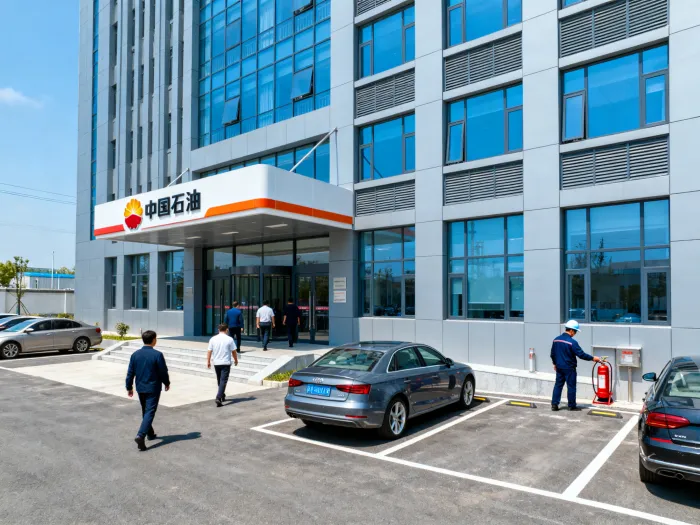
Mainland China’s refined oil prices will not be adjusted today, according to an official announcement from the National Development and Reform Commission (NDRC). This decision follows a period of minor fluctuations in international oil prices since September 9, 2025. The NDRC stated that under the current refined oil pricing mechanism, the average international oil price over the first ten working days up to September 23 was compared with that of the preceding ten working days ending September 9. Additionally, officials considered the unadjusted amount carried forward from September 9.
The cumulative change in refined oil prices amounted to less than RMB 50 per tonne, which falls below the threshold required for a price adjustment. In line with existing regulations, both gasoline and diesel prices will remain unchanged for this period. The unadjusted amount will be carried forward or offset during the next scheduled price review, ensuring consistency in future pricing decisions.
Major Oil Companies and Authorities Emphasize Market Stability and Compliance
The NDRC directed China National Petroleum Corporation (CNPC), Sinopec, China National Offshore Oil Corporation (CNOOC), and other crude oil processing enterprises to continue organizing production and distribution of refined oil products efficiently. These companies are expected to maintain a stable supply of refined oil products across the market and strictly follow national price policies.
Relevant local authorities have been instructed to intensify market supervision and inspection efforts. They are tasked with identifying and severely punishing any actions that do not comply with national price regulations. This is intended to safeguard normal market order, prevent price manipulation, and protect consumer interests during periods of price stability.
Refined Oil Price Mechanism Supports Predictable Market Operations
China’s refined oil pricing mechanism is designed to respond flexibly to changes in global oil markets while prioritizing domestic market stability. By averaging international prices over defined periods and setting clear thresholds for adjustments, regulators aim to minimize sudden fluctuations that could disrupt transportation, industry, or daily life.
The decision to keep prices unchanged reflects a cautious approach amid ongoing global uncertainties. This mechanism also helps build confidence among producers, distributors, and consumers by providing transparent rules for how prices are set and adjusted. Carrying forward unadjusted amounts further supports predictable market operations and reduces risks associated with abrupt changes.
Ensuring Fair Practices and Consumer Protection Moving Forward
Looking ahead, China’s commitment to strict market supervision signals its ongoing effort to enforce fair practices in the refined oil sector. By maintaining rigorous oversight, authorities aim to deter non-compliance with national policies and promote healthy competition among industry players.
Consumers can expect continued stability in gasoline and diesel prices unless significant changes in international markets occur. This approach underscores the government’s dedication to balancing market responsiveness with economic predictability. As global energy markets evolve, mainland China’s regulatory framework remains focused on protecting both supply chains and consumer interests through prudent policy management.