
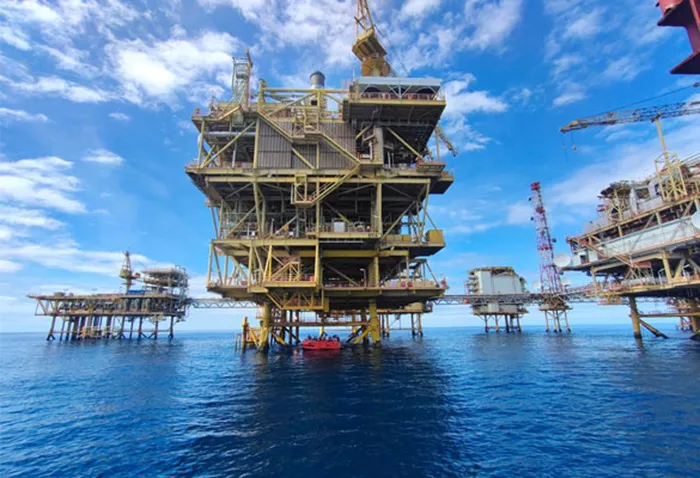
A series of drone strikes on five oil fields in Iraq’s Kurdistan Region between July 14 and 16 has caused severe damage to the region’s energy infrastructure, dramatically reducing oil production and intensifying an already fraught political standoff between Baghdad and Erbil, Human Rights Watch (HRW) said Tuesday.
The attacks — which took approximately 220,000 barrels per day of oil production offline, cutting the region’s output by 70%, according to The New Arab — mark a significant escalation in the dispute over control of oil revenues. Though no casualties were reported, the impact on the region’s economic stability and access to essential public services has been far-reaching.
No group has claimed responsibility for the drone strikes. However, Aziz Ahmad, deputy chief of staff to Kurdistan Regional Government (KRG) Prime Minister Masrour Barzani, accused “criminal militias on the Iraqi government payroll.” The federal and regional authorities have pledged investigations, with Prime Minister Mohammed Shia al-Sudani ordering an inquiry on July 15 and vowing accountability.
HRW condemned the attacks and called for immediate measures to protect vital energy infrastructure, warning that the damage not only endangers workers but also jeopardizes access to electricity, healthcare, and education across the Kurdistan Region.
Political Stalemate Leaves Workers Unpaid
The strikes come amid a broader political impasse, with Baghdad withholding the KRG’s share of federal oil revenues since May, leading to unpaid salaries for public sector workers including teachers, doctors, and nurses.
“Deliberate damage to oil infrastructure could cause serious ripple effects for KRI residents’ access to public services,” said Sarah Sanbar, Iraq researcher at HRW. “Adding insult to injury, thousands of teachers, doctors, and nurses can’t pay for everyday expenses because their salaries are being held hostage to political bickering.”
Although the Iraqi government approved a new agreement on July 17 to resume oil exports from the Kurdistan Region and resume salary payments, only May salaries have been distributed so far, with payments for June and July still pending.
Longstanding Budget Disputes
The KRG relies heavily on oil revenues and transfers from Baghdad to fund public services and pay wages. Since 2014, federal authorities have intermittently withheld the region’s budget share to extract concessions in oil revenue negotiations.
According to Kirkuk Now, the KRG has failed to pay teachers 16 monthly salaries in full over the past decade and has only partially paid another 44 months. In late 2023, nearly 60,000 teachers staged a six-month strike — the longest in the region’s history — affecting education for 700,000 students. Healthcare workers have similarly engaged in repeated walkouts, limiting public hospital services to emergencies and pushing many doctors into private practice, reducing care for low-income patients.
Energy Infrastructure Under Attack
HRW also warned that attacks on energy facilities, including repeated strikes on the Khor Mor gas field — hit at least nine times since 2023 — are undermining residents’ right to electricity. The Khor Mor site supplies fuel for the majority of the Kurdistan Region’s power generation and was the target of a deadly attack in April 2024 that killed four workers and suspended production for nearly a week.
Despite Prime Minister al-Sudani’s pledge to investigate, the government has yet to release the findings of any inquiry or bring perpetrators to justice.
Electricity access remains limited in the Kurdistan Region. According to Omed Saeed, director of the Kurdistan Region Control Center in the Electricity Ministry, residents receive just 6 hours of national grid power per day in winter, and 12 to 14 hours in summer.
The KRG’s Ministry of Natural Resources has condemned the recent drone strikes as “terrorist acts intended to damage the economic infrastructure of the Kurdistan Region and endanger the safety of civilian employees working in the energy sector.”
Call for Accountability and Rights Protections
HRW urged both federal and regional authorities to uphold their obligations under international law, including the International Covenant on Economic, Social and Cultural Rights, to protect civilians’ right to an adequate standard of living, including access to timely wages, healthcare, education, and energy.
“Baghdad and Erbil should stop using civil servants’ salaries and livelihoods as a political football in negotiations over oil,” said Sanbar.
The organization called on Iraqi authorities to conduct transparent investigations into the attacks, ensure accountability, and prioritize the restoration of public services by guaranteeing timely salary payments and safeguarding critical infrastructure.
Related topics: