
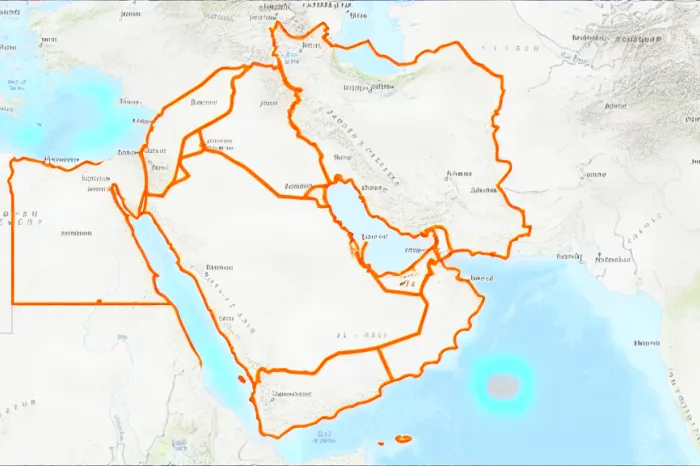
Global oil markets witnessed pronounced volatility throughout May, as shifting dynamics in the Middle East conflict triggered steep price swings. Brent crude plunged nearly 20%, closing at $92.05 per barrel, marking its largest monthly drop since March 2020. Similarly, West Texas Intermediate (WTI) crude declined almost 17%, settling at $87.36 per barrel and ending a four-month streak of gains. These sharp declines highlight growing investor unease over the stability of oil supply and demand amid persistent geopolitical tensions.
The recent price slide was largely fueled by cautious optimism surrounding a potential cease-fire deal between the United States and Iran. Reports surfaced that negotiators had reached a preliminary agreement aimed at halting hostilities and reopening critical maritime routes in the Persian Gulf, especially the Strait of Hormuz—a key conduit for global oil shipments. Industry leaders expressed measured relief, with Chevron’s CEO noting that market sentiment had shifted toward anticipating a resolution, which helped to ease futures contract prices.
Despite these hopeful developments, many market participants remain on edge due to lingering uncertainties. Analysts warn that any breakdown in the cease-fire or renewed escalation could cause oil prices to surge sharply, potentially climbing toward $200 per barrel. The ongoing conflict has already put strain on global energy reserves and disrupted Iranian crude exports, intensifying concerns about a severe supply shortage if the Strait of Hormuz remains inaccessible.
Traders are navigating a highly volatile environment where daily reports oscillate between cease-fire progress and renewed clashes, leading to unpredictable price movements and complicating risk management strategies. Some experts predict Brent crude may stabilize near $90 per barrel in the short term; however, a full return to pre-conflict market conditions remains uncertain. The market is currently balancing between two scenarios: diplomatic breakthroughs restoring steady crude flow and worsening disruptions driving prices higher.
This situation underscores the outsized impact geopolitical tensions in the Middle East continue to have on global oil markets. Although tentative agreements have temporarily eased immediate fears, significant risks persist beneath the surface. With strategic petroleum reserves being tapped to offset shortages, analysts caution that the global market’s buffer against supply shocks is rapidly diminishing. As a result, traders and policymakers alike remain vigilant, closely monitoring unfolding events that will shape oil price trends in the coming months.