
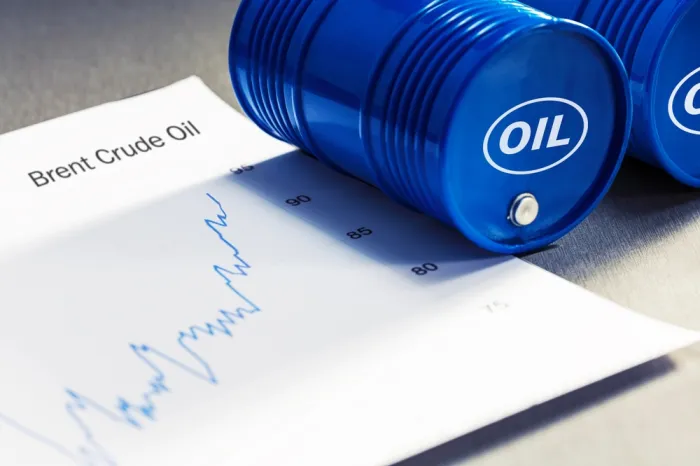
Brent crude oil prices have recently declined to $96.28 per barrel, marking a 1.27% increase from the previous day but a significant 9.23% drop compared to one month ago. Over the past year, however, prices have surged by over 50%, reflecting ongoing volatility in global energy markets.
The price of Brent crude oil, which serves as the main global benchmark for crude oil pricing, is influenced by a complex mix of supply and demand factors. These include geopolitical tensions, decisions by major oil producers such as OPEC+, and shifts in economic conditions worldwide. The recent decrease from $107.43 a month ago highlights the uncertain outlook as markets adjust to concerns over potential recessions and other disruptions.
Oil prices are closely watched because they have a direct impact on fuel costs at the pump. Although crude oil accounts for more than half of gasoline prices, other costs like refining, distribution, taxes, and retailer markups also affect what consumers pay. Historically, sharp increases in crude oil prices quickly lead to higher gas prices, whereas price drops tend to result in slower declines at the pump due to what analysts call the “rockets and feathers” effect.
The United States maintains a Strategic Petroleum Reserve (SPR) as an emergency stockpile of crude oil to cushion against supply shocks caused by events such as natural disasters, geopolitical conflicts, or sanctions. While this reserve can temporarily ease price spikes and support critical sectors like transportation and emergency services, it is not intended as a long-term solution for market stability.
Oil prices also influence natural gas markets since both are key energy sources. When crude oil prices rise significantly, industries sometimes shift their operations to use more natural gas instead, increasing its demand and potentially its price.
Looking at the historical context, Brent crude oil prices have experienced dramatic fluctuations over decades. Major events such as the 1970s oil embargo during the Yom Kippur War, the oversupply crisis in the mid-1980s, the 2008 financial crisis, and the demand collapse during the 2020 COVID-19 pandemic all caused sharp price movements. This history underscores how unpredictable and sensitive oil markets remain to global political and economic changes.
Currently, factors like increased shale oil production in the U.S., which adds to overall supply, also play a role in moderating price spikes. Political decisions impacting drilling policies further affect future supply expectations and thus influence pricing trends.
In summary, while Brent crude oil prices have eased from their recent highs, they remain elevated compared to last year’s levels amid ongoing global uncertainties. Consumers should expect that changes in crude oil prices will continue to impact fuel costs and broader economic inflation pressures moving forward.