
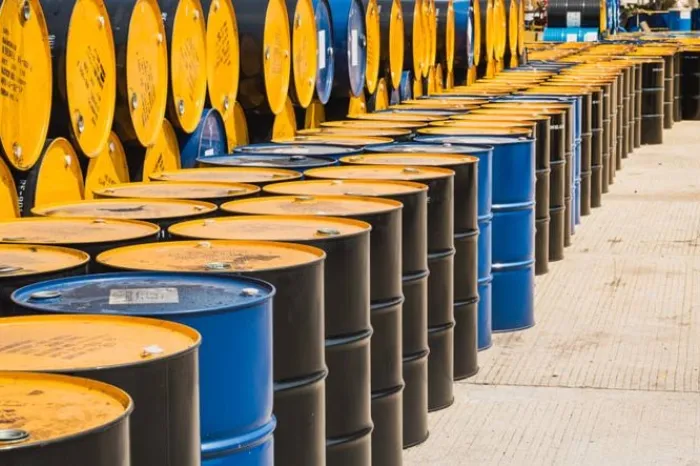
Brent crude oil prices have fallen below the $99 per barrel mark, driven by renewed optimism surrounding ongoing negotiations between the United States and Iran. This downward movement in oil prices reflects hopes that easing tensions in the strategically critical Gulf region could bring greater stability to global energy markets.
The Strategic Role of the Strait of Hormuz
The Strait of Hormuz remains one of the world’s most crucial maritime chokepoints, channeling close to 20% of global oil shipments. Historically, any threat to this narrow passage has triggered sharp increases in crude prices due to fears of supply disruptions. Recent developments suggest Iran may agree to reopen this vital waterway, a move that has helped ease market fears and encouraged traders to lighten their positions in Brent crude.
Advances and Caution in Diplomatic Talks
While U.S. President Donald Trump has acknowledged positive steps in the US-Iran dialogue, he has also urged prudence, emphasizing that no decisions will be rushed. Despite this cautious approach, the U.S. maintains its naval blockade on Iranian ports until any agreement is formally reached and verified by both sides.
Nuclear Program Negotiations and Sanctions Relief
Details emerging from the discussions indicate Iran’s willingness to address international concerns over its nuclear program, including plans to dismantle its stockpile of highly enriched uranium. However, key specifics about limits on nuclear activities and implementation timelines remain under negotiation. Sanctions relief and the unfreezing of Iranian assets are contingent upon Tehran fulfilling significant conditions, such as reopening the Strait of Hormuz to ensure uninterrupted maritime traffic.
Impact on Global Energy Markets
The potential breakthrough has captured attention worldwide due to its capacity to boost Iranian oil exports substantially if sanctions are lifted. An increase in supply could ease upward pressure on fuel prices globally, benefiting major oil-importing countries like India by lowering inflation risks and reducing the cost burden of fuel imports.
Market Response and Lingering Uncertainties
Following encouraging news from the talks, futures for gasoline and heating oil also experienced declines. Financial markets showed increased risk appetite as geopolitical tensions appeared to ease. Nevertheless, uncertainties remain high; U.S. officials continue rigorous monitoring because a collapse in negotiations could quickly reignite geopolitical risks that have kept oil prices elevated for an extended period. For now, investors and market participants maintain a cautiously optimistic outlook that a diplomatic resolution will contribute to stabilizing both oil supplies and prices worldwide.