
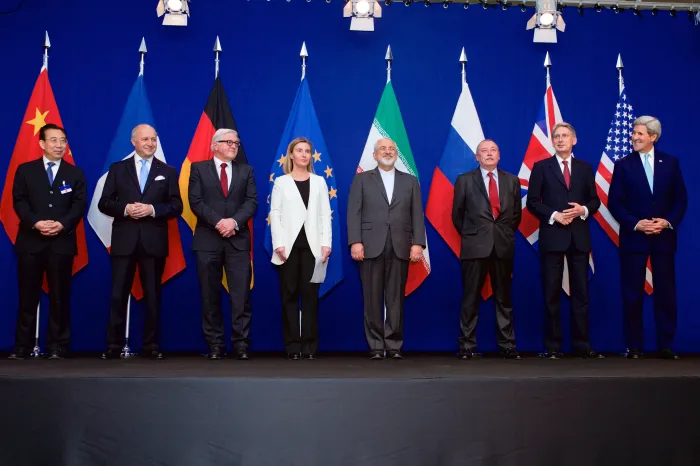
Crude oil prices have experienced significant volatility recently amid ongoing negotiations between the United States and Iran. Reports indicating progress toward a potential peace deal initially caused sharp declines in oil prices, reflecting market hopes for eased tensions in the Middle East and a possible increase in oil supply. However, mixed signals from both sides have led to fluctuating prices, underscoring persistent uncertainties surrounding the talks.
Early May saw Brent crude prices plunge nearly 8%, dropping to around $101 per barrel, while West Texas Intermediate (WTI) futures fell even more sharply by as much as 11% intraday. These declines followed news that peace negotiations were advancing, prompting traders to reassess the risk of supply disruptions through the Strait of Hormuz, a critical passage for approximately 20% of the world’s daily oil trade.
Despite these initial drops, oil prices rebounded at times due to complications in the talks. For example, statements from Iran’s Supreme Leader Mojtaba Khamenei insisting that enriched uranium remain within Iran complicated negotiations, leading to temporary price surges. On certain days, Brent crude rose above $108 per barrel while WTI approached $102. Yet by mid-May, reports of a near-final draft agreement pushed prices down again, with WTI settling near $98 per barrel.
The fluctuating oil market reflects broader geopolitical and economic concerns. Iran’s vast proven oil reserves mean that any easing of sanctions or normalization of trade could significantly boost global supply. However, disagreements over Iran’s nuclear program and control of the Strait of Hormuz continue to hinder a definitive breakthrough. Market analysts warn that while optimism has been priced in, a collapse of talks could trigger a sharp price rebound, potentially disrupting financial markets including risk assets like cryptocurrencies.
The energy sector also faces challenges from ongoing disruptions caused by the Iran war. Approximately 14 million barrels per day—about 14% of global supply—remain offline due to conflict-related damage and blockades affecting major producers such as Saudi Arabia and Iraq. Full restoration of oil flows through the Strait of Hormuz is not expected until early next year at the earliest.
Investors are watching carefully as these developments unfold. Lower oil prices tend to ease inflation pressures and could influence central bank policies on interest rates. Conversely, renewed tensions or failed negotiations might lead to rapid price increases with wider economic impacts. Market participants remain cautious amid this uncertain landscape, balancing hopes for peace with risks of renewed conflict affecting global energy supplies.
Meanwhile, global stock markets have responded positively to easing inflation data and hopes for diplomatic progress, even as oil prices show mixed movements. The coming weeks will likely be critical in determining whether US-Iran talks can produce a lasting agreement or if geopolitical risks will continue to drive price swings in the energy markets.