
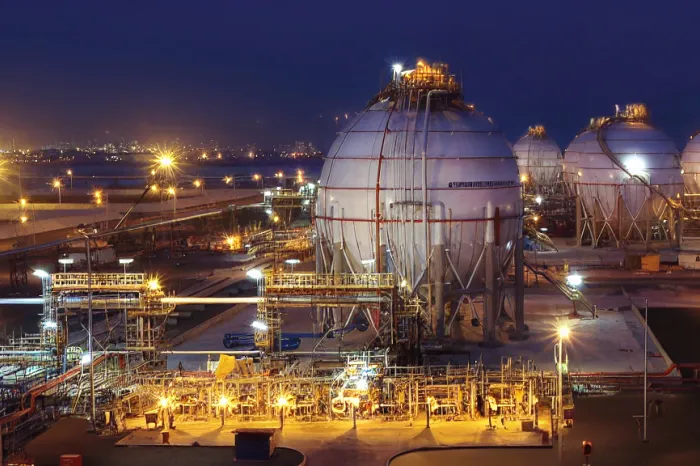
The United Arab Emirates (UAE), the third-largest oil producer within the Organization of the Petroleum Exporting Countries (OPEC), officially left the organization on May 1, 2026. This departure is seen as a strategic move by Abu Dhabi to gain more control over its oil production and sales, rather than an abrupt decision. For years, the UAE had expressed frustration with OPEC’s production quotas, which limited how much oil it could produce. These limits often caused tension between the UAE and Saudi Arabia, OPEC’s largest member.
By leaving OPEC, the UAE now has the freedom to expand its oil output without being bound by strict quotas. The country has invested heavily—around $150 billion—to increase its production capacity to nearly 5 million barrels per day by 2027. Currently, actual exports stand at about 1.8 to 1.9 million barrels per day, well below its full capacity. The UAE’s ability to bypass the strategic Strait of Hormuz through the Habshan-Fujairah pipeline also helps secure its oil exports despite regional geopolitical tensions.
This move could have significant consequences for global oil markets. OPEC has long influenced global oil prices by coordinating supply among its members. The UAE’s exit weakens OPEC’s control over production levels and pricing strategies, especially if other key members decide to follow suit. Previous departures from OPEC include Indonesia in 2016, Qatar in 2019, Ecuador in 2020, and Angola in 2023, but none carried as much weight as the UAE’s exit due to its size and production capabilities.
Saudi Arabia and other OPEC members rely on high oil prices to meet their domestic budget needs, with Saudi Arabia requiring prices around $85 to $90 per barrel to balance its budget. In contrast, the UAE can maintain a balanced budget with oil prices above $55 per barrel. This difference allows the UAE more flexibility to increase production and focus on regaining investments and expanding market share rather than maintaining higher prices.
Geopolitical factors also contributed to this split. Recent attacks by Iran on the UAE and other Gulf states have heightened regional tensions. The closure of the Strait of Hormuz, a critical route for about 8 million barrels per day of oil exports, adds further complications. The UAE’s strategic pipeline that bypasses this strait is vital for maintaining its export capabilities under these conditions.
Beyond the immediate effects, the UAE’s departure might encourage other OPEC or OPEC+ members to reconsider their membership or production commitments. Venezuela, which holds one of the world’s largest proven oil reserves at over 300 billion barrels, is poised to increase production significantly over the next decade amid political reforms and growing foreign investments. Kazakhstan has also indicated dissatisfaction with OPEC+ quotas and may seek greater independence in managing its oil output.
Overall, the UAE’s exit marks a potential turning point for OPEC’s influence on global oil markets. As key members prioritize national interests over collective agreements, the traditional power of OPEC to stabilize prices may diminish. This shift could lead to increased volatility in oil supply and prices worldwide in the coming years.