
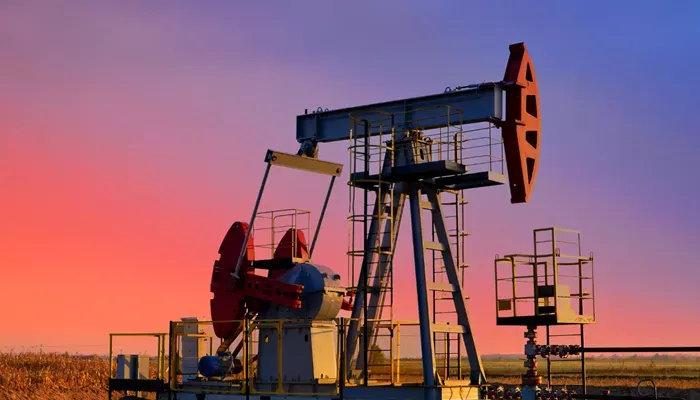
Oil prices posted slight increases on Wednesday, reflecting a mix of geopolitical and supply-side news that reassured investors. New York oil futures for March delivery rose by USD 0.26, or 0.4%, closing at USD 60.62 per barrel. Meanwhile, Brent oil futures for March delivery gained USD 0.32, or 0.5%, settling at USD 65.24 per barrel. These price movements indicate a cautious optimism in the market as traders responded to recent international events.
The oil market has been sensitive to both political and supply signals in recent weeks. The modest uptick in prices comes after a period of volatility, with traders closely monitoring global headlines and adjusting their positions accordingly. Market analysts suggest that the current price levels reflect a balanced response to the latest news rather than a dramatic shift in outlook.
US-EU Relations Improve as Greenland Issue Shows Progress
A significant factor contributing to the stability in oil prices was the announcement from US President Donald Trump regarding trade relations with Europe and NATO’s involvement in the Greenland issue. President Trump confirmed a pause on new tariffs targeting European goods, which eased concerns about escalating trade tensions between the United States and the European Union. Additionally, the US administration reported progress on establishing a framework with NATO concerning Greenland, signaling a constructive approach to resolving recent disagreements.
These diplomatic developments have been viewed positively by global markets, reducing some of the uncertainty that has weighed on economic forecasts in recent months. Improved US-EU relations are expected to support broader economic growth, which could, in turn, boost energy demand over time.
Temporary Closure of Kazakhstan Oil Fields Calms Supply Fears
In addition to geopolitical news, supply concerns played a role in shaping market sentiment. Two major oil fields in Kazakhstan were temporarily closed, raising initial worries about potential disruptions to global oil supply. However, industry sources emphasized that these closures are not expected to last long and should not have a significant impact on overall production levels.
The assurance that Kazakhstan’s oil output would soon return to normal helped limit upward pressure on prices. Experts note that while temporary shutdowns can cause short-term fluctuations, they are unlikely to alter the broader supply-demand balance unless extended for a longer period.
Markets Remain Watchful Despite Recent Optimism
While recent events have provided some relief for market participants, analysts caution that oil prices remain vulnerable to further changes in geopolitical or supply conditions. The interplay between international diplomacy and energy production will continue to influence trading decisions in the coming weeks.
Investors are advised to monitor ongoing negotiations between major economies and developments within key oil-producing regions. As global economic prospects evolve, the energy sector will need to adapt quickly to any new challenges or opportunities that arise.