
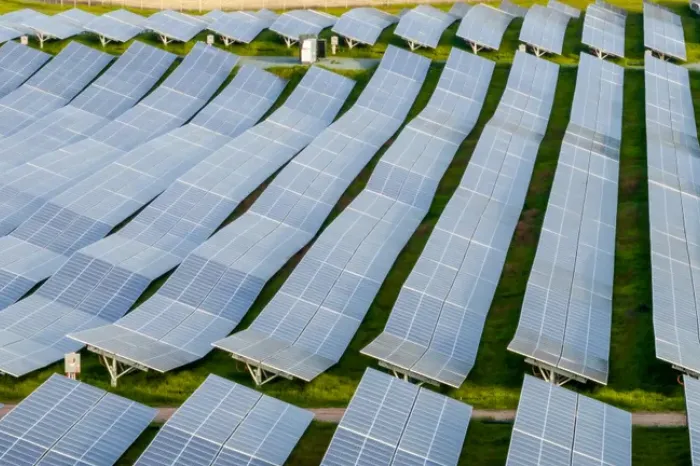
The U.S. Energy Information Administration (EIA) has released its latest Short-Term Energy Outlook, projecting a significant growth in utility-scale solar capacity and generation for the upcoming summer. According to the report, utility-scale solar capacity is expected to rise by 20% compared to last summer, leading to a forecasted 19% increase in solar electricity generation. This expansion reflects continued investment and development in renewable energy infrastructure across the country.
The report also highlights that this summer will likely be hotter than last year, with a predicted 3% increase in cooling degree days from June through September. This warmer weather is expected to drive a 3% rise in overall electricity generation, which equates to an additional 1,620 billion kilowatt-hours (kWh) of power demand. The EIA expects most of this increase will be met by renewables, emphasizing the growing role of clean energy in meeting seasonal electricity needs.
Alongside solar, wind energy generation is forecasted to grow by 10% year-over-year. This is supported by an approximate 8% rise in average wind capacity during the same period. Smaller gains are also expected in hydroelectric and nuclear power generation, with increases around 5% and 1%, respectively. These trends illustrate a broader shift toward diversified renewable energy sources contributing more substantially to the U.S. power grid.
Conversely, coal generation is predicted to decline by about 2% this summer. The EIA notes that coal consumption has already decreased significantly earlier in the year due to warmer weather and lower natural gas prices reducing reliance on coal-fired power plants. Specifically, coal consumption fell by 11% in the first quarter of 2026 compared with the same period last year. However, the agency warns that if natural gas prices rise alongside continued hot temperatures, coal use could see a temporary uptick during the summer months.
The report further forecasts continued reductions in coal production across all producing regions through at least December 2027. This ongoing decline reflects both market dynamics and environmental policies encouraging cleaner energy sources. Overall, the EIA’s outlook underscores a marked transition within the U.S. electric sector toward renewable resources like solar and wind, which are playing an increasingly vital role in meeting electricity demand while reducing carbon emissions.
As demand for electricity grows due to hotter summer conditions, renewable energy capacity expansions are proving critical to ensuring reliable and sustainable power supply. The expected increases in solar and wind generation highlight ongoing progress in clean energy adoption, signaling a transformative period for the nation’s energy landscape.