
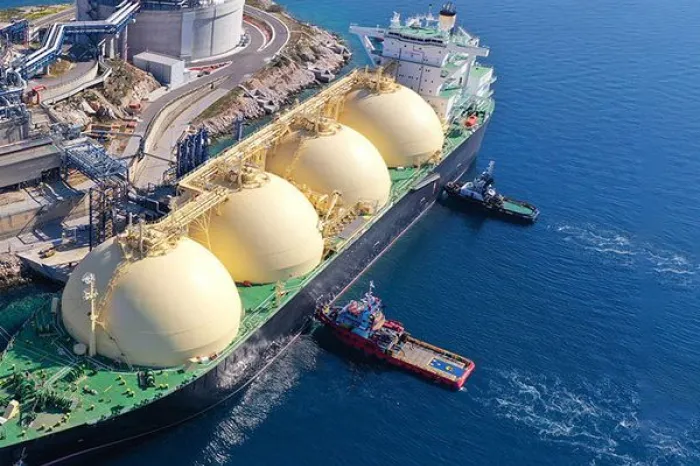
Hawaiian Electric Company (HECO) and Japan’s energy giant JERA are close to finalizing an agreement to introduce liquefied natural gas (LNG) as a key energy source for Oʻahu. Governor Josh Green has suggested that the deal could be sealed by June 8, signaling a major shift in the island’s energy landscape. The proposal includes JERA building a 500-megawatt natural gas power plant, with HECO possibly joining as a full partner in the project.
Governor Green has also revealed ongoing discussions with U.S. Secretary of Energy Chris Wright about obtaining a substantial low-interest federal loan. This funding would support modernization efforts for Hawaiʻi’s electric grid, enabling better integration of natural gas alongside renewable energy sources. The investment aims to improve both the reliability and affordability of electricity throughout Oʻahu.
While the governor remains optimistic, Hawaiian Electric officials have taken a more cautious public stance. Jim Kelly, an executive at HECO, confirmed that talks with JERA and other energy companies are still in progress, with no formal agreements signed yet. HECO continues to focus on diversifying its energy mix while emphasizing cost efficiency and reducing emissions.
The move toward LNG follows an initial agreement signed last October between the state government and JERA to explore LNG imports. This came after a report from the Hawaiʻi State Energy Office indicated that switching from oil to LNG could lower energy costs on Oʻahu. However, environmental groups and some experts have raised concerns about whether LNG fits with Hawaiʻi’s ambitious target of reaching 100% renewable energy by 2045. Critics also question whether the anticipated cost savings are realistic.
A significant controversy surrounds JERA’s intention to bypass the usual competitive bidding process for this project, sparking debates over transparency and fairness among stakeholders. Meanwhile, HECO is reviewing a federal financing application related to the initiative through the U.S. Department of Energy.
As negotiations advance, the future of Oʻahu’s energy supply faces close examination from policymakers, industry experts, and community members alike. LNG could act as a transitional fuel, reducing reliance on imported oil while supporting essential grid upgrades. Yet aligning this strategy with Hawaiʻi’s long-term clean energy goals presents complex challenges.
With global energy prices climbing, securing affordable and sustainable energy solutions is critical for Hawaiʻi’s economic health and environmental protection. The outcome of ongoing talks between HECO and JERA will be pivotal in defining the state’s energy direction in the years ahead.