
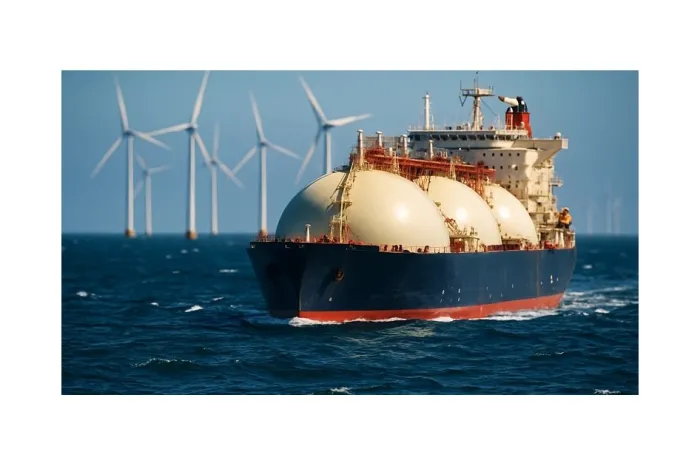
Natural gas markets have experienced significant volatility following disruptions in the Strait of Hormuz, a vital shipping route for about one-fifth of the world’s liquefied natural gas (LNG). The closure of this key passage and damage to Qatar’s LNG infrastructure have sent global natural gas prices soaring, with Asia and Europe feeling the sharpest impacts due to their reliance on Middle Eastern supplies.
In March 2026, the World Bank reported a 24 percent rise in its natural gas price index. The Asian LNG benchmark surged nearly 94 percent during that month, while Europe’s prices climbed about 59 percent. This increase was driven by intensified competition for a smaller pool of LNG cargoes, as many shipments that typically pass through the Strait of Hormuz were disrupted. In contrast, U.S. natural gas prices fell initially, buoyed by ample domestic production and robust inventories, before partially rebounding in May.
The disruption’s effects are compounded by limited alternatives for Middle Eastern LNG exports. Qatar and the United Arab Emirates depend heavily on the Strait of Hormuz for shipment, and liquefaction capacity in other regions is near maximum use. This supply bottleneck coincides with already rising demand from a cold winter in Europe and the United States, which increased heating needs and temporarily affected U.S. LNG export terminals.
Despite rising prices and supply challenges, global natural gas consumption growth has slowed significantly. In 2025, consumption increased by only 0.8 percent, about one-third of the previous year’s growth. The ongoing conflict and supply disruptions have led analysts to forecast flat consumption for 2026, with demand weakening in the Middle East due to reduced industrial activity and in Europe as renewable energy and coal replace some gas use.
Looking ahead, new LNG terminals in North America are expected to increase output to record levels, partially offsetting losses from Middle Eastern supply constraints. Nevertheless, global production growth remains moderate, making the market sensitive to further shocks. Prices are predicted to rise across most regions in 2026 before easing somewhat in 2027 if Middle Eastern exports recover as expected.
The forecast depends heavily on the assumption that the most severe disruptions will soon end. Resumption of Middle Eastern LNG exports and repairs to damaged facilities in Qatar are critical for stabilizing the market. However, risks remain elevated due to low storage levels in Europe and increased competition for LNG cargoes during summer inventory replenishment.
Additional factors influencing demand include growing electricity needs from data centers powered by natural gas and potential economic slowdowns in East Asia that could dampen consumption. Overall, natural gas markets face a complex balance of supply constraints and shifting demand patterns amid geopolitical tensions and evolving energy landscapes.