
California is witnessing a significant shift in its electricity generation mix as the state’s aggressive adoption of battery storage and solar power reduces natural gas consumption. Despite increasing electricity demand driven largely by expanding data centers, the rise in battery-backed renewable energy is changing how natural gas is used for power generation.
In February, the California Public Utilities Commission mandated utilities to secure an additional 6 gigawatts (GW) of non-fossil fuel capacity by 2032 to address reliability concerns from rising electricity demand. At the same time, data centers are expected to add nearly 8 GW of new power demand by 2030, highlighting the need for flexible and reliable energy sources.
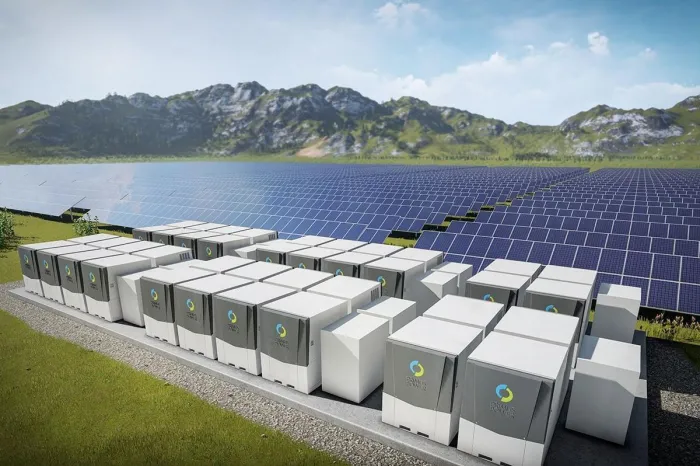
California stands out nationwide for its rapid deployment of utility-scale batteries, currently boasting about 15 GW of battery capacity supporting 25 GW of solar generation. This combination allows solar power to reduce natural gas use during the day, as excess solar energy charges batteries. The stored electricity is then released in the evening when solar output drops, helping meet peak demand without relying solely on gas-fired plants.
Data from recent years shows a clear trend: daytime natural gas generation has fallen sharply, with average daytime gas output dropping nearly 55% from summer 2023 to summer 2025. Meanwhile, solar capacity surged by over 40%, and battery discharge during peak evening hours tripled. Despite this decline in daytime gas use, natural gas remains crucial for ensuring grid reliability during nighttime hours when battery output diminishes.
Energy Information Administration figures reveal that California’s utilities consumed about 1.3 billion cubic feet per day (Bcf/d) of natural gas for power generation in 2025, down nearly 500 million cubic feet per day since 2022. Early data from summer 2026 suggests this downward trend continues as batteries increasingly manage evening demand ramps and midday gas use decreases further.
However, California still maintains more than 40 GW of installed natural gas capacity, underscoring that thermal generation remains a key part of the energy mix. The state anticipates retiring approximately 3.3 GW of gas-fired capacity by 2030 while planning to add over 10 GW of battery storage and nearly 8 GW of new solar projects through 2031. Minimal new natural gas capacity is expected.
The evolving dispatch patterns in California offer insight into broader trends that may affect other regions as they expand renewable and battery storage resources. While these technologies reduce average natural gas use, the need for flexible and reliable gas-fired generation persists, particularly to support growing loads from data centers and maintain grid stability during low renewable output periods.
This transition reflects a complex balance between reducing fossil fuel dependence and ensuring reliable power supply amid rising electricity demand. California’s experience highlights both the opportunities and challenges facing power markets as they integrate more renewables and storage technologies.