
OPEC+ member countries are expected to approve an increase in their oil production targets for July despite ongoing challenges posed by the closure of the Strait of Hormuz and the recent departure of the United Arab Emirates from OPEC. Sources familiar with the matter indicated that seven core members of OPEC+, including Saudi Arabia, Russia, and others, will likely raise their output quota by approximately 188,000 barrels per day. This decision reflects a cautious move toward normalizing production levels after months of disruption.
The closure of the Strait of Hormuz, a critical maritime route through which around 20% of the world’s oil and gas supplies previously flowed, has severely impacted global oil logistics. The blockade began following escalating conflict between a U.S.-Israeli alliance and Iran in late February, leading to significant supply shortages and sharp increases in fuel prices worldwide. Experts attending a recent technical meeting at OPEC’s Vienna headquarters warned that these disruptions could persist until at least the end of 2026, even if the strait reopens promptly.
Despite efforts to gradually restore output, actual production among OPEC+ members has fallen sharply. In April, production averaged 33.19 million barrels per day, down from 42.77 million barrels per day in February before the conflict intensified. Gulf producers have implemented export cuts due to logistical constraints linked to the strait’s closure. The planned increase for July matches a similar quota rise agreed for June but adjusted downward due to the UAE’s exit from OPEC in May after nearly six decades of membership.
The group is working through a phased rollback of a 1.65 million barrels per day production cut agreed upon in 2023 by eight members, now reduced to seven following the UAE’s departure. With continued monthly increases of about 188,000 barrels per day projected for August and September, OPEC+ aims to fully unwind remaining cuts by the end of September. However, officials acknowledge that physical output may lag behind targets given ongoing market and geopolitical challenges.
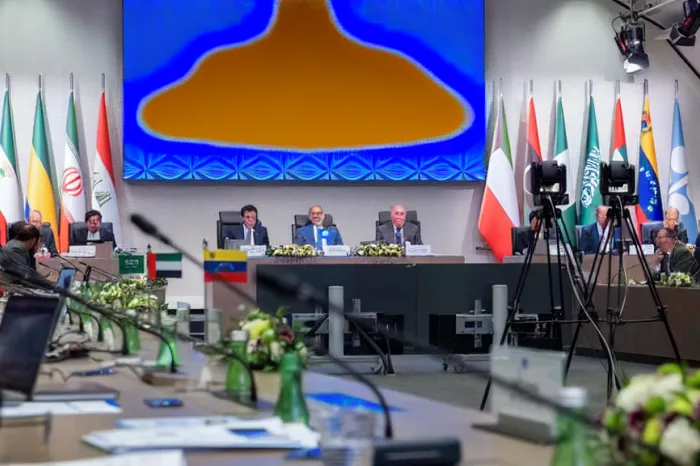
OPEC delegates are currently engaged in technical meetings and presentations in Vienna to assess market conditions ahead of ministerial discussions scheduled online for early June. While these meetings are unlikely to result in significant policy changes beyond the planned output hikes, they underscore the group’s intent to cautiously stabilize supply amid prolonged regional instability.
Industry analysts emphasize that returning to pre-conflict supply levels will require many months due to disrupted logistics and damaged infrastructure. Sultan Al Jaber, CEO of Adnoc energy company, has previously projected that full restoration of Middle East oil flows might extend into 2027 even if hostilities cease quickly. This outlook aligns with warnings from independent consultants who briefed OPEC officials during recent sessions.
In summary, while OPEC+ is poised to increase its official production quotas as a signal toward recovery, actual oil output remains constrained by geopolitical tensions surrounding the Strait of Hormuz. The global energy market continues to brace for extended disruptions throughout 2026 as efforts persist to normalize supply chains amid complex regional dynamics.