
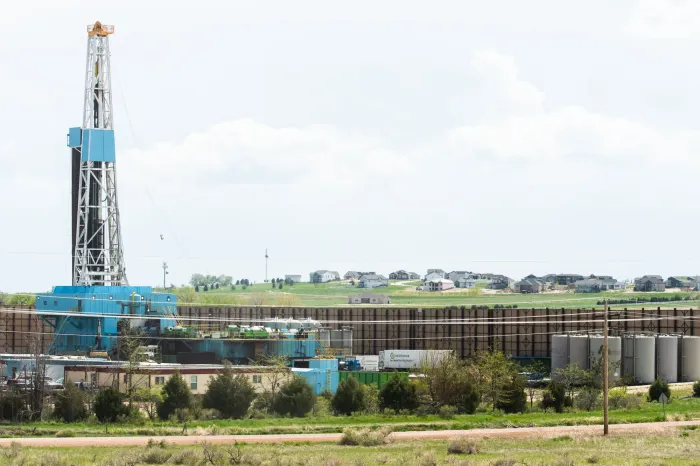
Colorado’s struggle over natural gas drilling has persisted for more than two decades, revealing deep tensions between the energy industry, local communities, and environmental advocates. What began as a boom in natural gas extraction in the early 2000s has evolved into a complex and ongoing conflict involving ballot measures, legislative battles, and regulatory changes.
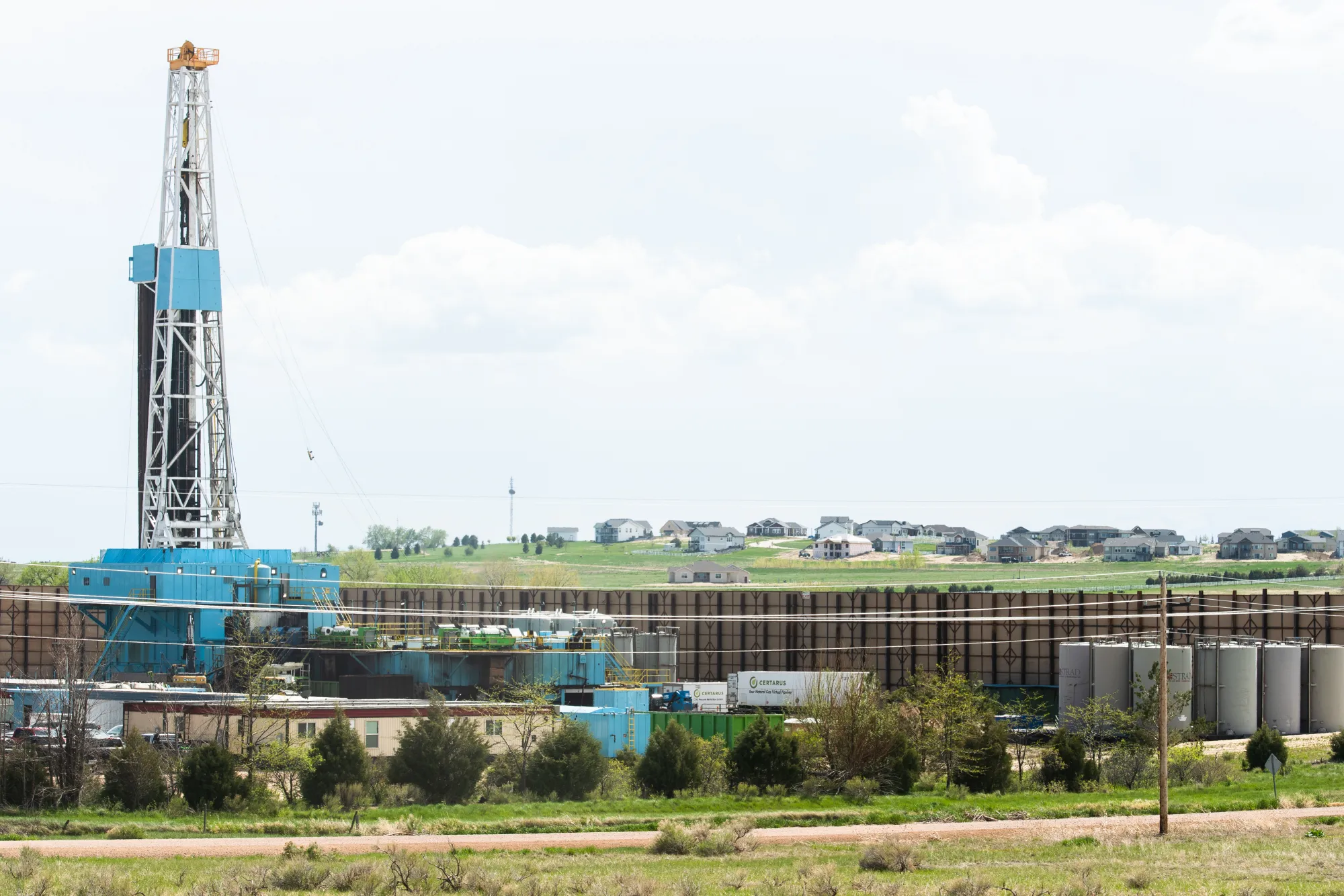
The latest chapter unfolded in March when Conservation Colorado introduced four ballot initiatives aimed at increasing the responsibility of oil and gas operators for environmental damages, particularly groundwater contamination. These measures responded directly to a competing ballot initiative by Advance Colorado, which seeks to enshrine the right to natural gas use and sales in the state constitution. This clash disrupted a fragile truce brokered by Governor Jared Polis in 2024, which had temporarily paused divisive ballot fights.
Historically, the conflict traces back to the rapid expansion of drilling operations in Western Colorado’s Piceance Basin. The influx of rigs and workers led to community disruptions such as housing shortages and environmental concerns. Early regulatory reforms were introduced under Governor Bill Ritter beginning in 2006, including stricter setback rules for drilling near homes. However, these measures faced legal challenges from the industry and failed to fully ease tensions.
As drilling expanded into suburban areas along Colorado’s Front Range, cities like Longmont and Boulder imposed moratoriums on fracking and drilling activities. These local actions often resulted in lawsuits from industry groups citing state primacy over oil and gas regulation. Grassroots organizations formed across multiple counties to advocate for stricter controls, while legislative efforts to balance economic benefits with environmental protection repeatedly stalled due to political gridlock.
In response, the oil and gas industry adopted new technologies and collaborative approaches, such as disclosure of fracking fluids and groundwater testing protocols. These efforts helped ease some conflicts but did not eliminate opposition. A series of high-profile ballot initiatives between 2014 and 2018 saw both sides heavily investing in campaigns that shaped public opinion but left many issues unresolved.
Governor Polis’s administration played a key role in brokering compromises, including Senate Bill 181 in 2019 which shifted regulatory priorities toward protecting public health and environment while reducing industry influence on oversight commissions. This law also increased setbacks between wells and residences to 2,000 feet. Subsequent rulemakings introduced strict methane emissions limits and other pollution controls considered among the most comprehensive nationwide.
Despite these advances, disputes continue as new ballot measures emerge challenging existing regulations or affirming rights related to natural gas use. Environmental groups argue that pollution remains a serious problem and call for further restrictions on drilling. Industry representatives emphasize their commitment to operating responsibly but express concern over ongoing political pressures.
The recent renewal of commitments by key stakeholders to avoid divisive ballot fights reflects a desire for stability, yet unresolved disagreements suggest the debate over natural gas’s role in Colorado’s energy future will persist. The state’s experience illustrates the broader national challenge of balancing energy development with environmental protection amid changing political landscapes.