
Colombia is currently grappling with a severe natural gas supply crisis worsened by the global disruption caused by the closure of the Strait of Hormuz. This vital maritime passage, responsible for about 20% of global natural gas shipments, was shut down following U.S. strikes on Iran, tightening LNG supplies worldwide and driving up prices. The timing could not be worse for Colombia, where domestic natural gas production has been steadily declining amid growing demand.
Domestic production in Colombia has fallen sharply over the past decade, with March 2026 natural gas output down nearly 15% compared to the previous year and 38% lower than in 2016. This decline is largely linked to reduced petroleum production, as much of Colombia’s natural gas is associated with oil extraction processes. Oilfields in Colombia are aging and require reinjection of natural gas to enhance oil recovery, removing significant volumes from commercial availability and intensifying the shortfall.
The country’s proved natural gas reserves have also dropped to their lowest levels in over 20 years, standing at two trillion cubic feet by the end of 2024—enough for less than six years of production at current rates. Exploration activity has slowed dramatically due to government policies aimed at reducing fossil fuel dependence, including higher taxes and bans on new exploration contracts. This policy environment has contributed to the rapid fall in domestic natural gas output and reserves.
Meanwhile, Colombia’s energy demand continues to rise, driven partly by a shift from coal-fired power plants to those fueled by natural gas. Hydropower generation, which accounts for around 65% of electricity production, has been hampered by ongoing drought conditions related to El Niño, forcing greater reliance on thermal plants powered by natural gas. This shift is pushing demand higher at a time when supply is constrained, raising concerns over electricity reliability amid frequent brownouts and blackouts.
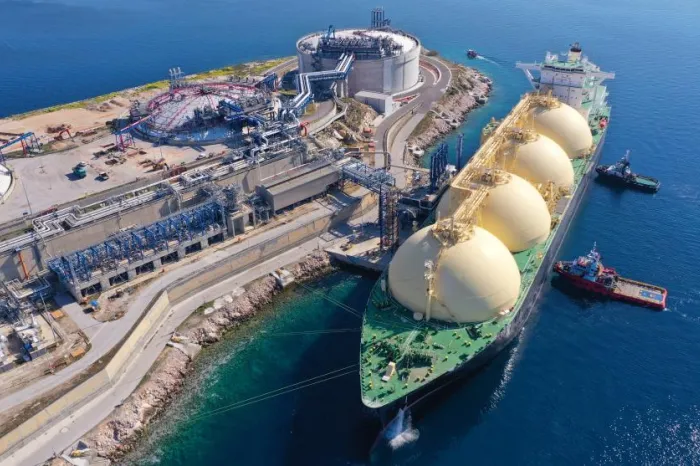
To fill the gap, Colombia has increasingly depended on costly liquefied natural gas imports. By the end of 2025, imports accounted for 18% of its natural gas supply, with projections suggesting this could rise to as much as 33% in 2026 due to dwindling domestic output. However, global LNG supplies have tightened further following disruptions from Iran and the Strait of Hormuz closure, causing prices to surge by more than 25%. These rising costs are impacting both industrial consumers and households, pushing inflation higher and straining an already fragile economy.
In contrast, Hawaii is moving forward with plans to boost its LNG imports as part of an effort to reduce electricity costs and phase out oil use on Oahu. Japanese company JERA has applied for a federal permit to build an offshore LNG terminal near Campbell Industrial Park. The $1.5 billion project includes a floating regasification plant and a 500-megawatt power station that could supply nearly half of Oahu’s electricity needs by 2030.
JERA argues that switching from oil to LNG will lower electric rates and reduce carbon emissions in the near term. However, environmental groups warn that investing in LNG infrastructure may slow Hawaii’s progress toward its goal of achieving 100% renewable energy by 2045. The company claims its plant will be adaptable to future fuels like hydrogen or biofuels but has not provided detailed plans or cost estimates for such conversions.
The preliminary collaboration agreement between JERA and Hawaii’s governor has raised concerns about limiting competitive energy solutions. Critics emphasize that any major project should undergo thorough regulatory review by the Public Utilities Commission to assess technical feasibility, financial impacts, and community effects. Despite these concerns, JERA remains optimistic that their LNG project will contribute positively to Hawaii’s energy transition while helping reduce electricity bills significantly.
Together, these developments highlight contrasting challenges in natural gas supply: Colombia faces a deepening shortage compounded by geopolitical tensions affecting global LNG markets, while Hawaii explores LNG imports as a bridge fuel solution amid its renewable energy ambitions. Both cases underscore the complex dynamics shaping energy security and affordability in different regions.